5 World Heritage areas to add to your Queensland road trip
From K’gari and the Great Barrier Reef to ancient rainforest and fossil sites, discover Queensland’s five World Heritage areas worth adding to your road trip.
Queensland does road trips pretty well. There are tropical coastlines, remote outback tracks, ancient rainforest and more national parks than you could hope to tick off in a single lap. But among all those places are five that have earned particularly impressive international recognition.
Queensland is home to five World Heritage areas, recognised by UNESCO for their outstanding universal value. They range from the world’s largest coral reef system to the largest sand island on Earth, ancient rainforests and one of the world’s most significant fossil sites. Better yet for those of us who prefer to explore on four wheels, they provide some pretty compelling excuses for a road trip.
Here are Queensland’s five World Heritage areas and why they’re worth adding to your travels.
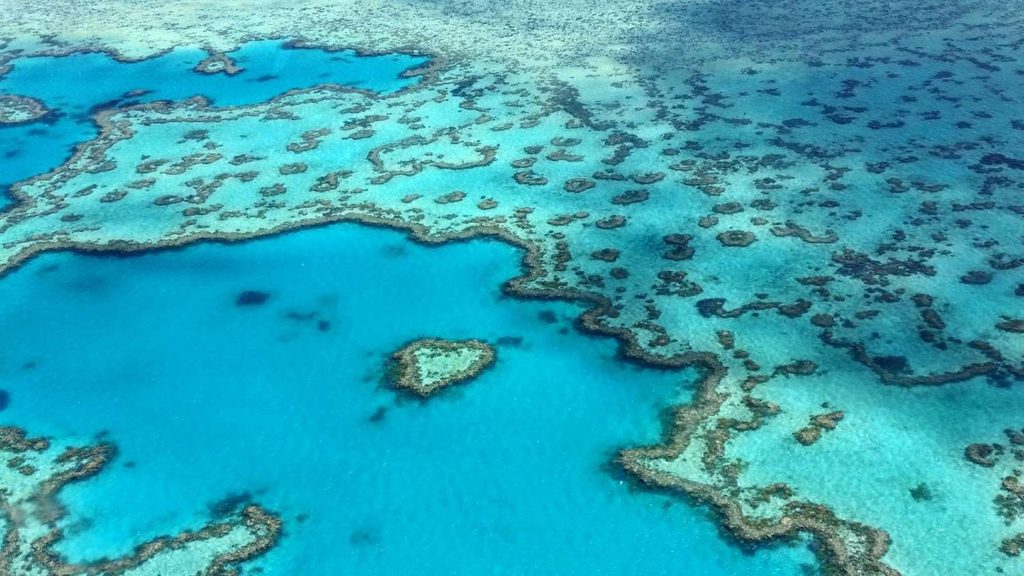
You don’t need us to tell you the Great Barrier Reef is impressive, but its sheer scale is easy to underestimate.
Stretching along the Queensland coast from around Bundaberg to Cape York, the Great Barrier Reef is the world’s largest coral reef system and was the first coral reef ecosystem to receive World Heritage status when it was inscribed in 1981.
It’s home to an extraordinary collection of marine life, including 1,625 species of fish, six of the world’s seven species of marine turtle and more than 30 species of whales and dolphins. Traditional Owners have maintained connections with the Reef for more than 60,000 years, from the Torres Strait Islands in the north to the Bundaberg region in the south.
Make it part of your road trip
One of the best things about the Great Barrier Reef for road trippers is that there isn’t just one place to see it. A Queensland coastal road trip offers numerous jumping-off points, including Bundaberg, the Whitsundays, Townsville, Mission Beach, Cairns, Port Douglas and destinations further north.
That means seeing the Reef doesn’t necessarily require a standalone holiday. Park up the caravan or motorhome for a few days, jump aboard a day trip and swap the driver’s seat for a boat.
You don’t have to travel far from Queensland’s biggest population centres to reach the next World Heritage area. The Gondwana Rainforests of Australia extend across South East Queensland and northern New South Wales, with almost 60,000 hectares within Queensland.
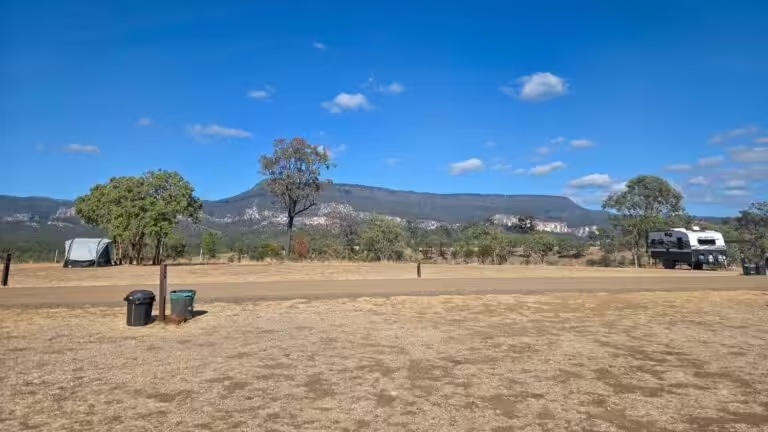
Here you’ll find remnants of the vast rainforests that once covered the ancient supercontinent of Gondwana. The Queensland component includes areas within Lamington, Springbrook, Mount Barney and Main Range national parks. We particularly like Binna Burra camping area.
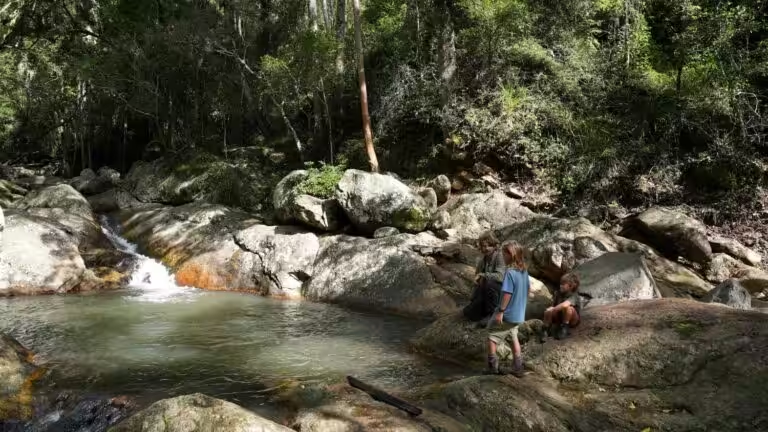
Today, these forests provide an extraordinary window into Earth’s evolutionary history and support more than 200 rare and threatened plant and animal species. Then there are the landscapes themselves: waterfalls, mountain peaks, ancient volcanic features and walking tracks ranging from short strolls to serious hikes.
Make it part of your road trip
This is perhaps the easiest World Heritage area on the list to incorporate into a weekend escape from South East Queensland. Springbrook and Lamington put World Heritage-listed rainforest within reach of the Gold Coast, while Main Range National Park makes an easy addition to a road trip through the Scenic Rim and Southern Downs.
For caravanners, it also proves that you don’t necessarily need weeks of annual leave or thousands of kilometres beneath the tyres to experience a World Heritage area.
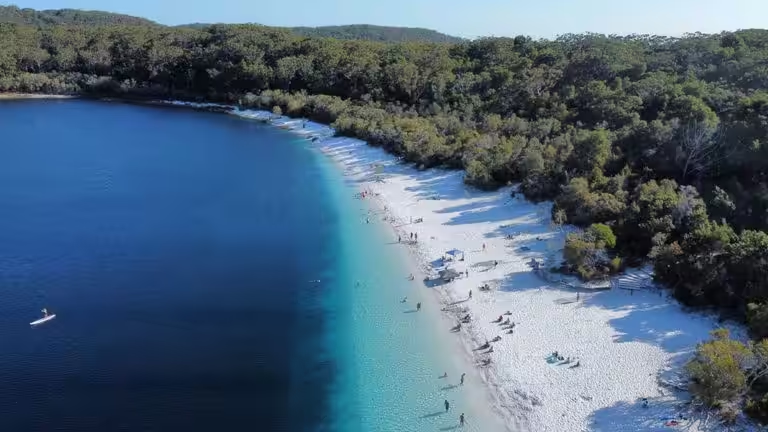
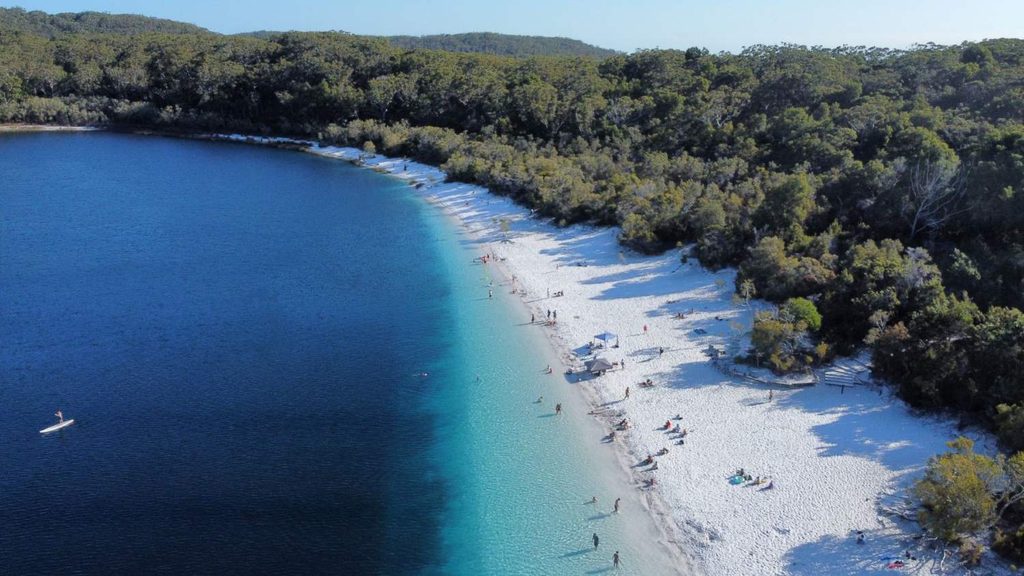
For four-wheel drivers, K’gari needs very little introduction. The world’s largest sand island stretches off Queensland’s Fraser Coast and combines more than 250 kilometres of sandy beaches with towering dunes, freshwater lakes, coloured sand cliffs and rainforest growing on sand.
Its coastal dune formations and dune lakes form part of the world’s longest and most complete age sequence of coastal dune systems, while its towering rainforest growing on sand is considered particularly remarkable.
K’gari is also home to more than 325 bird species and an important population of wongari (dingoes), while humpback whales pass its coastline during their annual migration. The island has been home to the Butchulla People, K’gari’s Traditional Owners, for thousands of years and continues to hold enormous cultural significance.
Make it part of your road trip
Unlike most destinations, on K’gari the drive is a huge part of the experience.
There are no sealed roads connecting the island’s major attractions, with beaches and sandy inland tracks forming the road network. A suitable high-clearance 4WD is essential, and drivers need to plan around tides, track conditions and access requirements.
For RV travellers, the usual approach is to leave the caravan on the mainland and take the 4WD across, either camping on the island or staying in accommodation. Although if you’ve got an off-road camper trailer, you’ll see plenty of them here as well.
It’s one of those rare destinations where getting from A to B is just as memorable as whatever is waiting at B.
If your idea of a great road trip involves heading properly off the beaten track, Riversleigh might be the most intriguing place on this list.
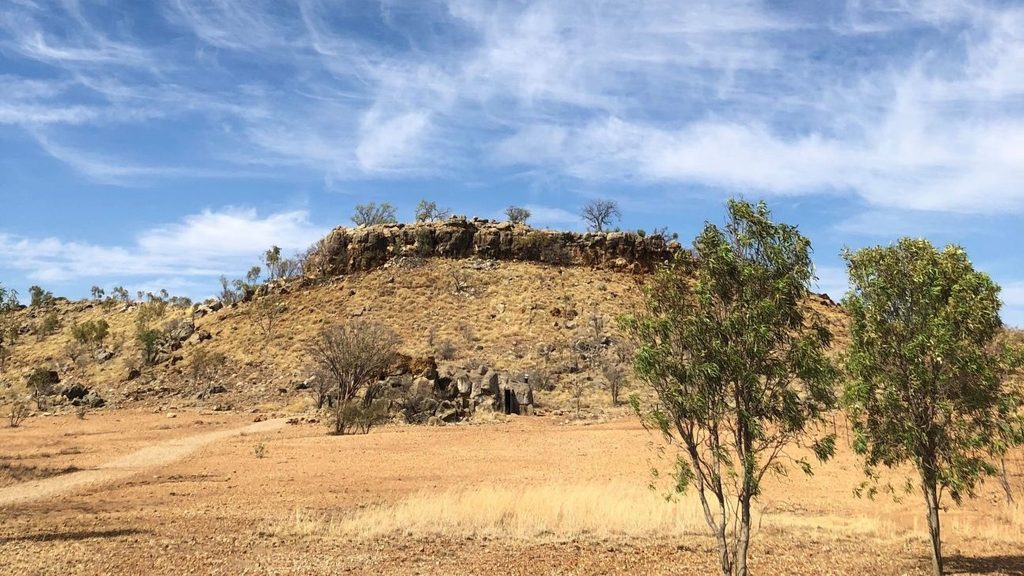
Located within Boodjamulla (Lawn Hill) National Park in remote north-west Queensland on Waanyi Country, the Riversleigh fossil deposits preserve an extraordinary record of Australia’s prehistoric mammals. Some of the fossils date back between 10 and 30 million years and help document major stages in the evolution of Australia’s distinctive mammal fauna.
Together with South Australia’s Naracoorte fossil site, Riversleigh forms the Australian Fossil Mammal Sites World Heritage property.
The surrounding landscape has an equally remarkable story. The Waanyi people refer to this country as Boodjamulla, or Rainbow Serpent Country, and have occupied the region for at least 17,000 years, with evidence suggesting their presence may extend considerably further back.
Make it part of your road trip
This is the World Heritage area for travellers who like their destinations remote.
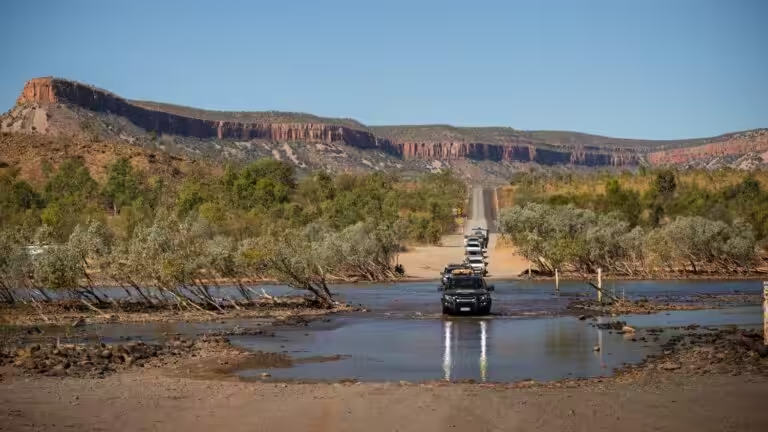
Boodjamulla National Park and Riversleigh sit in Queensland’s Gulf Country, a long way from the state’s coastal touring routes. Reaching them requires considerably more planning than pulling into a coastal holiday park. But that’s also the appeal.
Combine Riversleigh with Boodjamulla’s spectacular gorge country and you’ve got the makings of a proper outback Queensland adventure rather than a quick sightseeing stop. Check current road conditions, seasonal access, camping arrangements and vehicle requirements before heading into this part of Queensland.
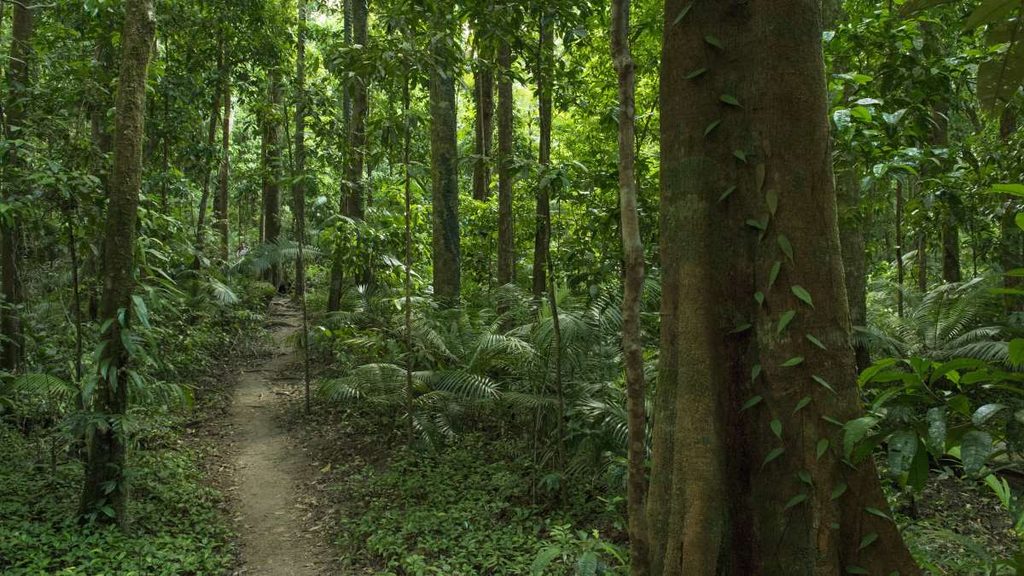
If you’ve ever driven north from Cairns towards Cape Tribulation, you’ve already had a taste of what makes the Wet Tropics so extraordinary. Covering almost 900,000 hectares of Far North Queensland, the Wet Tropics World Heritage Area contains the world’s oldest continuously surviving tropical rainforests.
Despite covering just 0.12 per cent of Australia’s landmass, the region supports an extraordinary proportion of the country’s wildlife, including around 35 per cent of its mammal species, 40 per cent of its bird species, 60 per cent of its butterfly species and 29 per cent of its frog species. It’s also home to some distinctly Queensland characters, including tree-kangaroos and green ringtail possums.
For visitors, however, you don’t need to understand millions of years of evolutionary history to appreciate the place. Giant rainforest trees, waterfalls, swimming holes, mountains and tropical beaches do a pretty good job of making the case themselves.
Make it part of your road trip
The Wet Tropics lends itself brilliantly to a Far North Queensland road trip. Cairns makes an obvious starting point, but take your time exploring beyond the city. The Atherton Tablelands, Kuranda, Mossman Gorge and the rainforest-clad coastline north towards Cape Tribulation all provide very different ways to experience the region.
It’s also one of the few places where you can explore World Heritage-listed tropical rainforest and the Great Barrier Reef on the same road trip.
What makes Queensland’s five World Heritage areas particularly interesting for road trippers is just how different they are. You can drive sandy tracks across K’gari, snorkel over coral on the Great Barrier Reef, walk beneath ancient Gondwanan rainforest, hunt for traces of prehistoric mammals at Riversleigh and explore tropical rainforest in Far North Queensland.
Some can be squeezed into a long weekend. Others require hundreds, or even thousands, of kilometres behind the wheel. And really, that’s the perfect excuse to start ticking them off.
How many of Queensland’s five World Heritage areas have you visited?