You can’t just hitch up and head off without making sure your vehicle is in top condition first. Nothing can ruin a trip quite like paying for a new fuel pump to be shipped to Birdsville, or losing your second spare tyre to a gibber stone a few hundred kays out of Karijini.
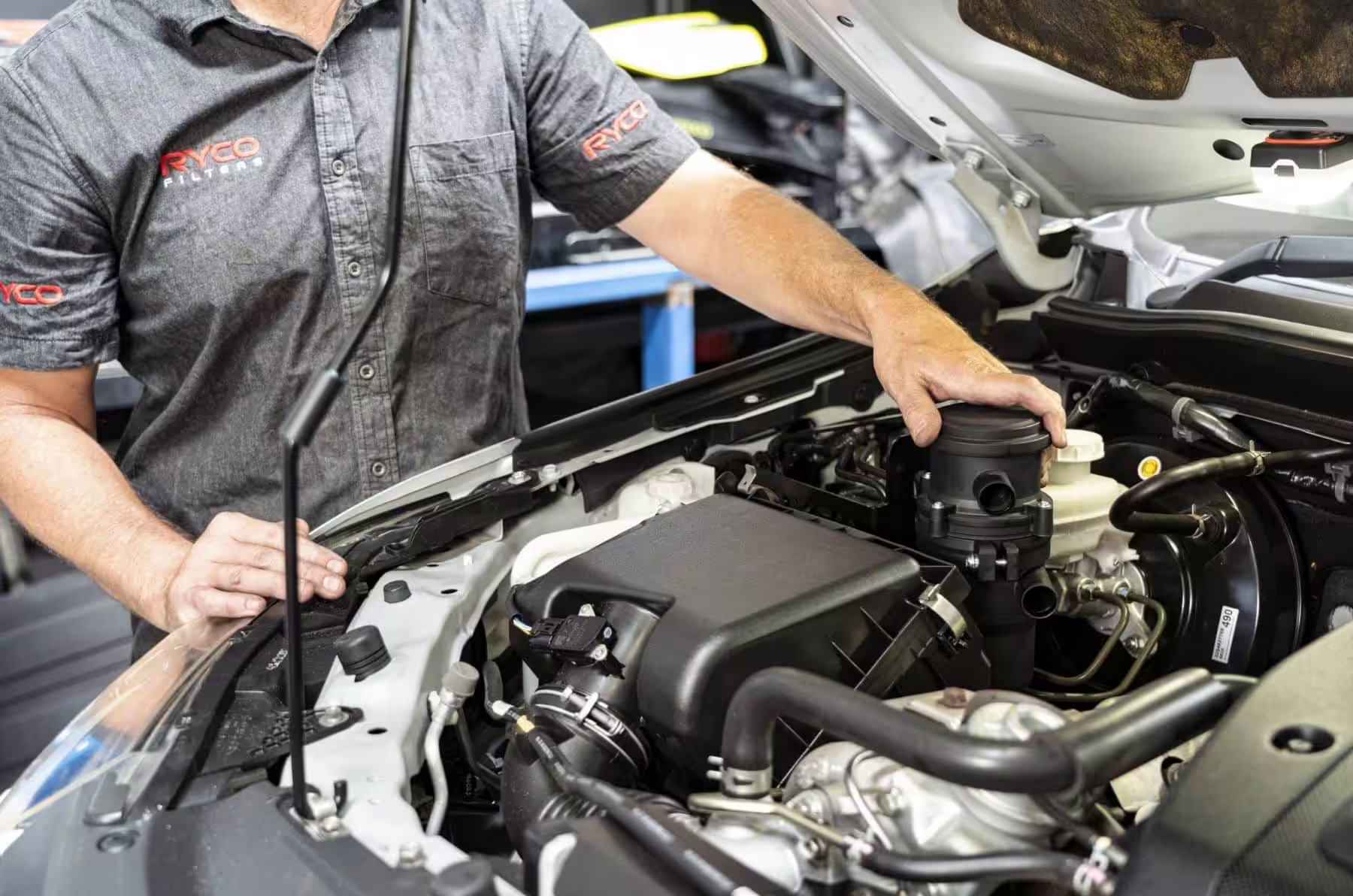
Whether you’re towing a caravan around Australia, tackling remote tracks or simply heading off on a big road trip, giving your vehicle a thorough once-over before departure should be considered mandatory.
You can either do the inspection yourself if you’re handy with the spanners, or book it in with a trusted mechanic and let them know where you’re going and how you’ll be using the vehicle. A little preparation before you leave can save a whole lot of money, downtime and headaches once you’re on the road.
How does a pre-trip inspection differ from a regular service? In truth, it shouldn’t differ much at all. A well-maintained touring vehicle should already be serviced according to schedule. The difference is that before a major trip, it’s worth paying extra attention to the components most likely to be affected by the type of driving you’ll be doing.
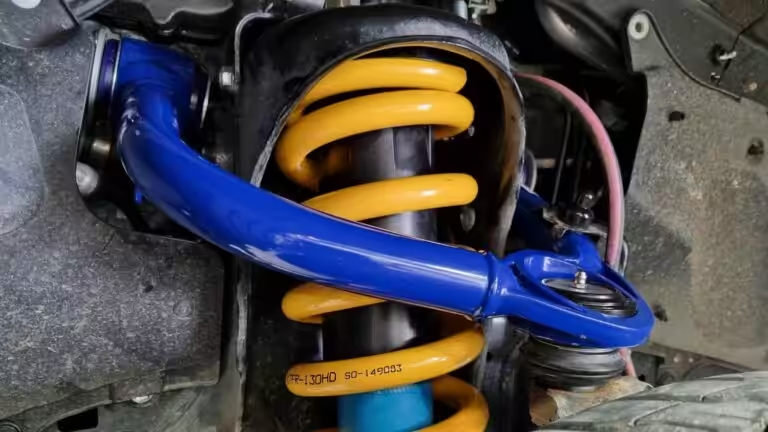
Think about your destination and towing setup. Is the trailer wiring working correctly? Is the suspension in good condition? Do the tyres need rotating? Is there any scheduled maintenance coming due during your trip?
The basics matter too. Fresh engine oil and quality filters are cheap insurance compared to the cost of a breakdown in a remote location.
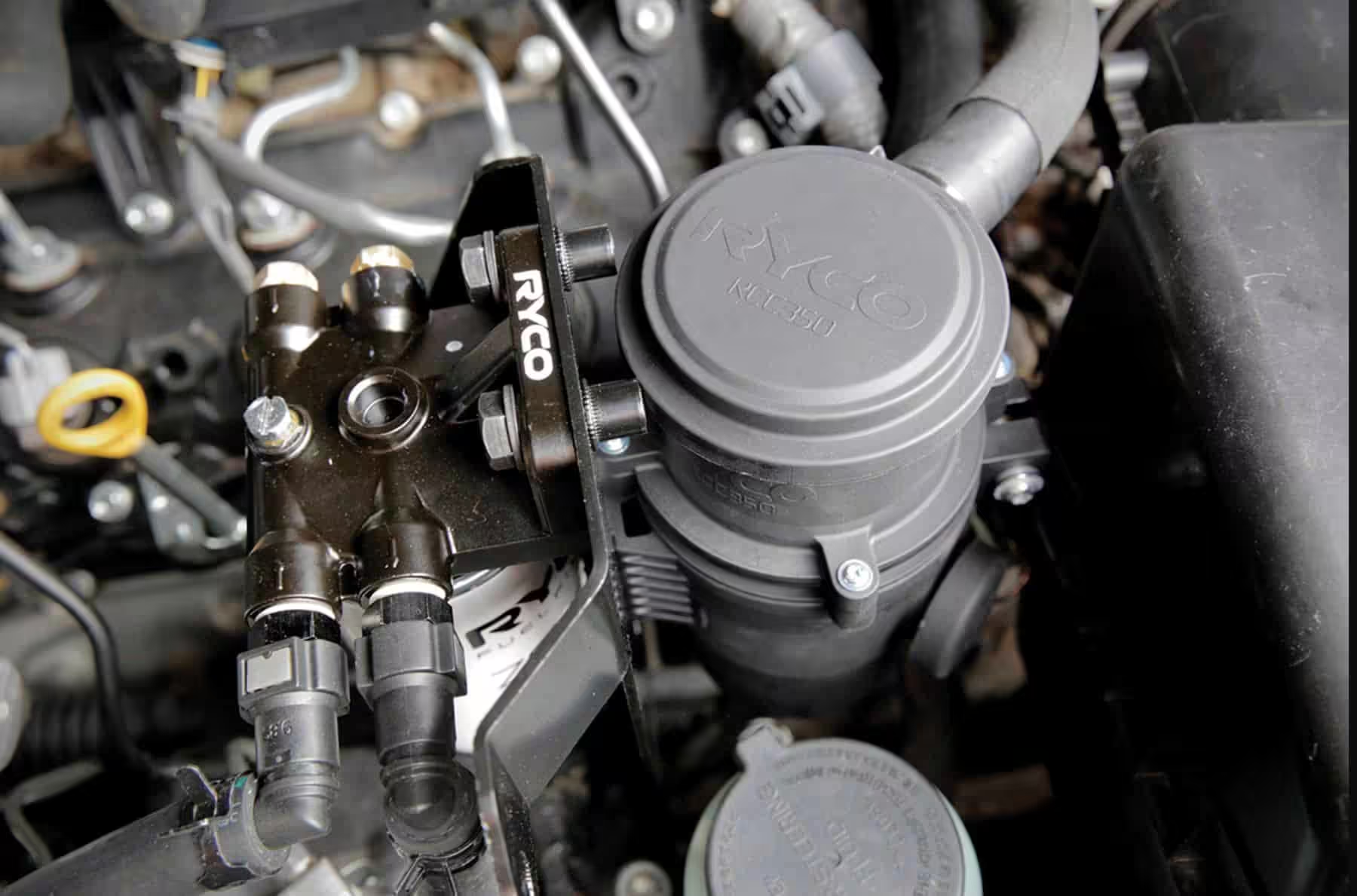
Modern diesel engines rely on clean air and clean fuel. A blocked air filter can reduce performance and fuel economy, while a contaminated fuel filter can cause major headaches far from home.
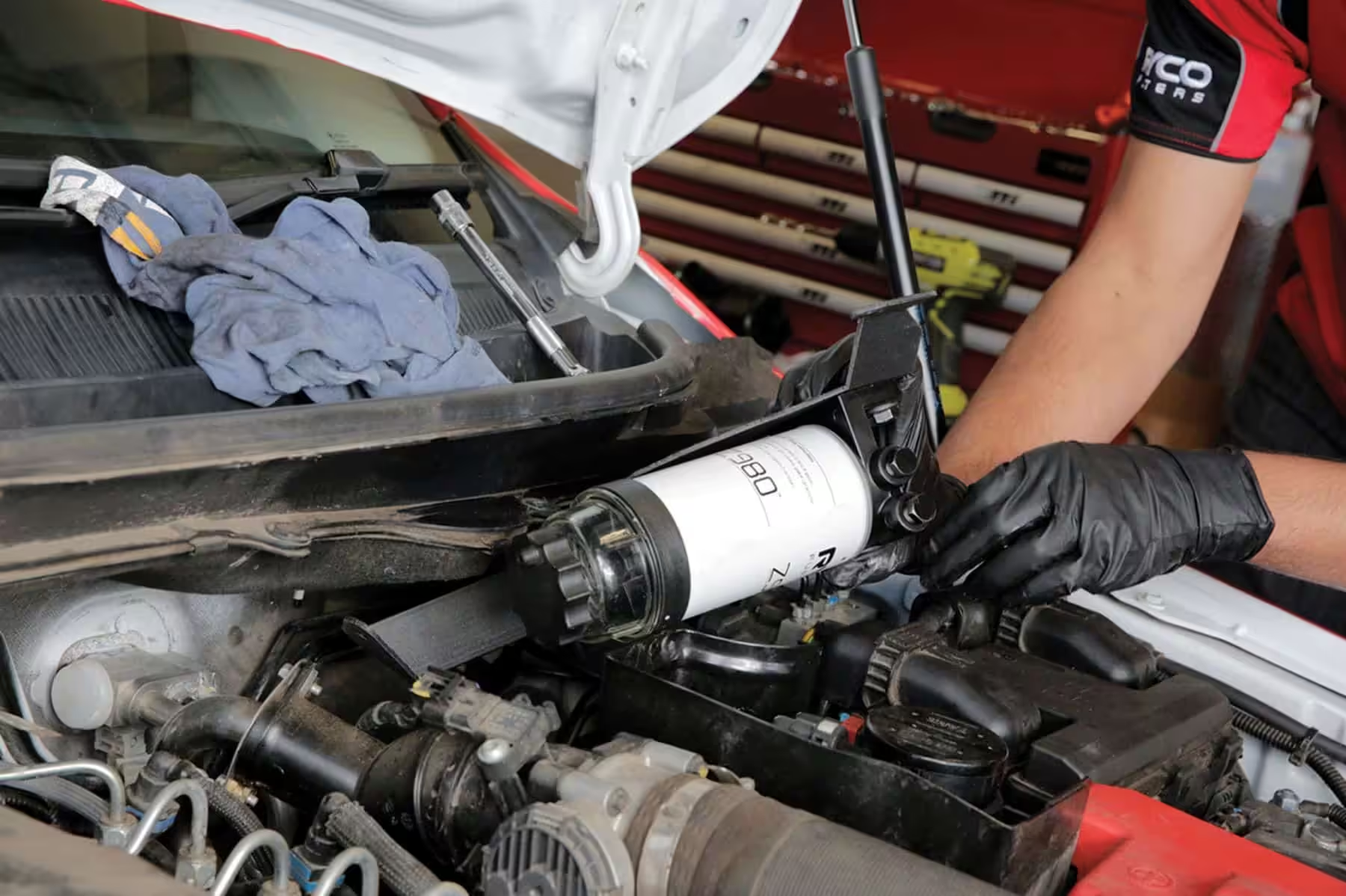
Before a major trip, it’s worth replacing air, oil, fuel and cabin filters with quality components, even if they’re not quite due. It’s a small investment that can potentially save thousands of dollars and a ruined holiday.
Which brings us to the next item…
#3. Carry the right spare parts
Fresh filters are great, but carrying spares can be just as important.
If you’re travelling remotely, spare air and fuel filters should be considered essential equipment. Dusty roads can clog an air filter surprisingly quickly, while a bad tank of fuel can leave a modern common-rail diesel stranded.
Spare filters take up very little room and can be the difference between continuing your trip and waiting days for parts to arrive. Along with belts, fuses and fluids, they’re some of the cheapest insurance policies you can carry.
Not every trip places the same demands on your vehicle.
Heading to Cape York? You’ll need to think about corrugations, water crossings, tyre damage, recovery gear and fuel quality.
Travelling through the Victorian High Country? Mud, cold temperatures, steep climbs and limited recovery options might be bigger concerns.
The key is preparing for the destination, not the bitumen you’ll spend the first hour driving on. Think about the likely challenges you’ll encounter and make sure your vehicle, recovery gear and spare parts are up to the task.
#5. Don’t overlook your tyres
If there’s one component connecting your vehicle, caravan and family to the road, it’s the tyres.
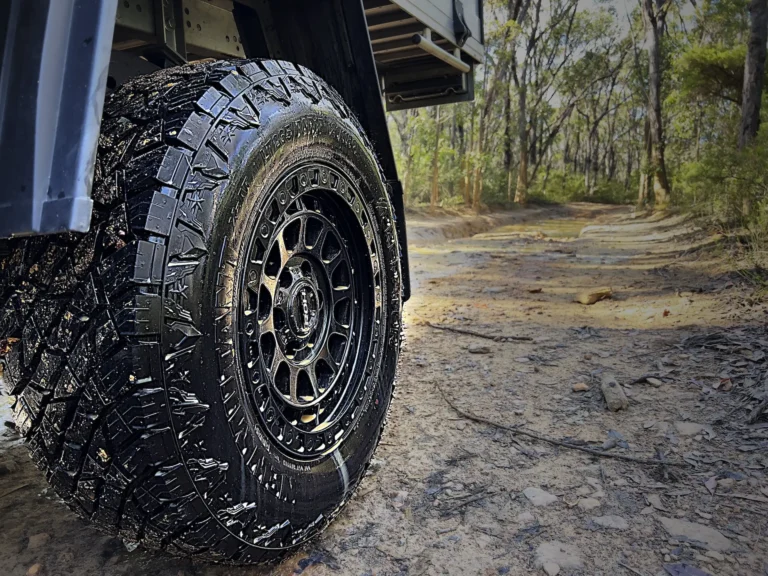
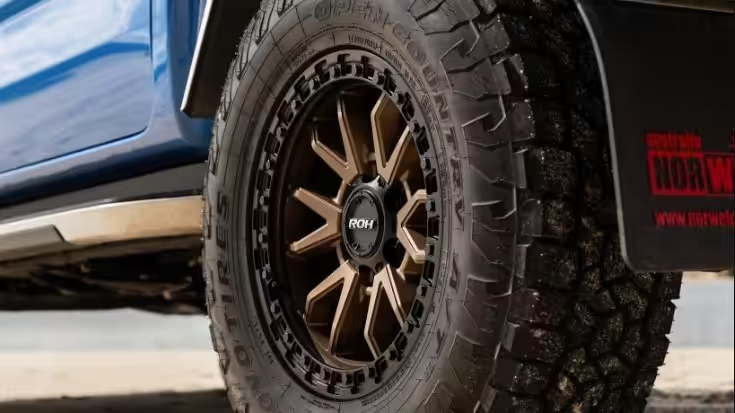
Quality all-terrain tyres remain one of the best investments for touring vehicles. Modern AT and hybrid-terrain tyres offer excellent durability, strong puncture resistance and impressive on-road manners, making them ideal for most Australian travel.
Before departure, inspect tyres for uneven wear, sidewall damage and remaining tread depth. Make sure your spare is in good condition and don’t forget to adjust tyre pressures for the terrain you’re travelling on.
Even the best tyre won’t survive long if it’s running the wrong pressure.
Long-distance touring isn’t just about vehicle reliability. Driver comfort plays a major role in safety, too.
Fatigue contributes to countless incidents on Australian roads every year. If you’re spending eight or ten hours behind the wheel, supportive seating, a comfortable driving position and regular rest breaks become just as important as the mechanical condition of the vehicle.
If you regularly finish a day’s driving with a sore back or stiff shoulders, it may be worth investigating aftermarket seating solutions. A comfortable driver is generally a more alert driver.
A little preparation before a trip can save a lot of frustration once you’re on the road. Whether it’s replacing worn filters, checking your tyres, carrying the right spares or making sure your vehicle is suited to the conditions ahead, spending a few hours in the driveway now is far preferable to spending a few days waiting for parts in the middle of nowhere.
The reality is that even the best-prepared vehicles can still have issues, but giving your rig a thorough once-over before departure will dramatically improve your chances of enjoying the trip for all the right reasons.
FAQ
What should I check on my vehicle before a long road trip?
Before a long road trip, check your engine oil, coolant, tyres, battery, brakes, lights and recovery gear. It’s also worth inspecting or replacing air, fuel and cabin filters, particularly if you’re travelling remotely or towing a caravan.
Should I replace my filters before a big trip?
If your air, fuel, oil or cabin filters are close to their service interval, replacing them before departure can provide extra peace of mind. Fresh filters are relatively inexpensive compared to the cost and inconvenience of a breakdown while travelling.
What spare parts should I carry when touring Australia?
The exact spares will depend on your vehicle and destination, but common items include spare air and fuel filters, drive belts, fuses, engine oil, coolant, tyre repair equipment and recovery gear. Remote-area travellers may choose to carry additional parts.
How often should I rotate my tyres?
Most manufacturers recommend rotating tyres every 10,000km or as part of your regular servicing schedule. Rotating tyres helps promote even wear and can extend tyre life, particularly on vehicles that regularly tow caravans or camper trailers.
Do I need spare filters for Outback travel?
If you’re travelling in dusty conditions or remote areas, carrying spare air and fuel filters is a smart idea. Dust can quickly clog an air filter, while contaminated fuel can cause problems for modern diesel engines. Spare filters take up very little room and can potentially save a trip.
What is the most important part of pre-trip vehicle preparation?
There isn’t one single item that’s more important than everything else. A thorough pre-trip inspection should include servicing, tyre checks, filter replacement, recovery gear inspection and ensuring your vehicle is suited to the conditions you’ll encounter on your journey.
Should I carry spare fuel filters when travelling in remote Australia?
Yes. Fuel quality can vary significantly in remote areas, and contaminated fuel can cause major problems for modern diesel engines. Carrying a spare fuel filter and knowing how to replace it can help get you back on the road quickly if you encounter dirty fuel.
This article contains affiliate links. When you buy through these links, RV Daily may earn a small commission. It doesn’t change the price you pay, and it helps us keep producing practical tips, guides, and inspiration for RV travellers at no cost to you.