
What to consider when upgrading your wheels for towing a caravan
Thinking about wheels for towing a caravan? Here’s what to know about load ratings, strength and safety before upgrading your setup.
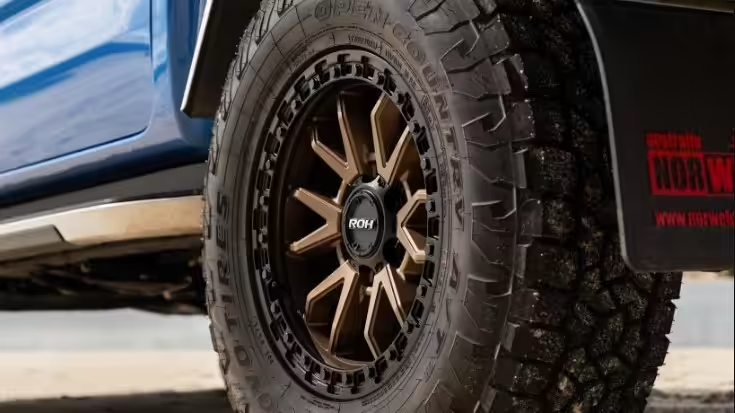
Published on: 28 April 2026
When it comes to towing a caravan, most people focus on the obvious upgrades. Suspension gets beefed up, tyres get swapped out, maybe even brakes get a look in. But wheels? They’re usually left as is.
The thing is, your wheels are doing just as much heavy lifting as everything else underneath your vehicle. And if you’re starting to look at wheels for towing a caravan, it’s worth understanding what actually matters before you bolt on a new set.
Yes. Upgrading to wheels with higher load ratings and stronger construction can improve safety, handling and durability when towing a caravan, especially on rough Australian roads.
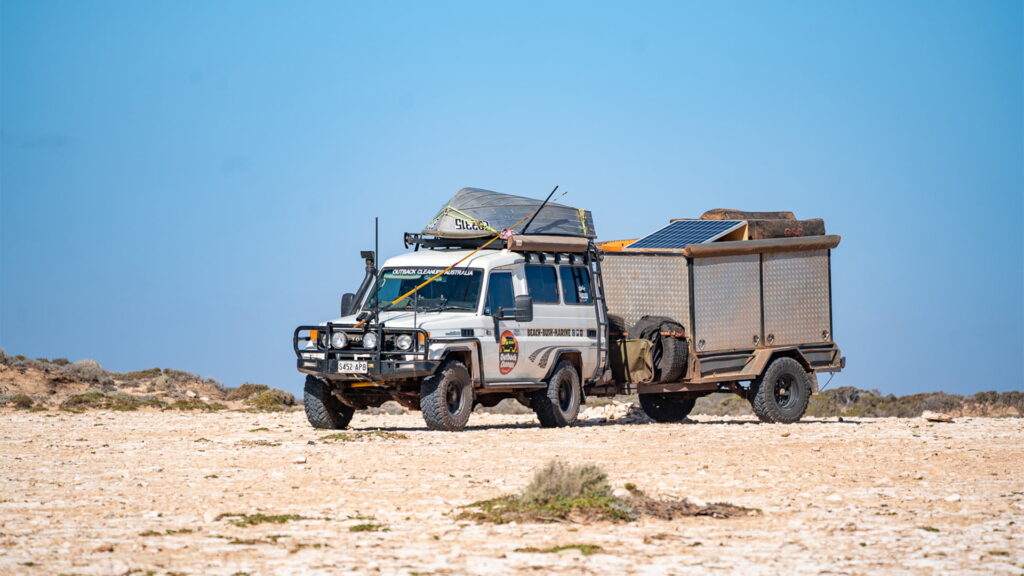
If there’s one thing to get right, it’s load ratings. Every wheel has a load rating, which is the maximum weight it’s designed to carry. When you’re towing, that load adds up quickly between vehicle weight, passengers, gear and tow ball download.
The problem? Factory wheels aren’t always designed with heavy touring setups in mind.
That’s why many owners look into upgrading to better wheels for towing a caravan when upgrading their setup. Brands like ROH Wheels, for example, offer wheels with load ratings of up to 1,500kg per wheel, giving you a much bigger safety margin when towing heavier caravans or boats.
It’s not about overkill, it’s about not running right on the limit.
If you’ve gone down the GVM upgrade path, your wheel choice becomes even more important.
A GVM upgrade allows your vehicle to legally carry more weight. Great. But that extra weight still has to be supported by everything underneath, including your wheels. Upgrading your suspensions doesn’t automatically mean your wheels are up to the task.
Some manufacturers now offer GVM+ compatible wheels designed specifically for higher load-carrying setups. If you’re running a heavier touring rig, it’s worth checking whether your current wheels are still suitable for towing a caravan safely and legally.
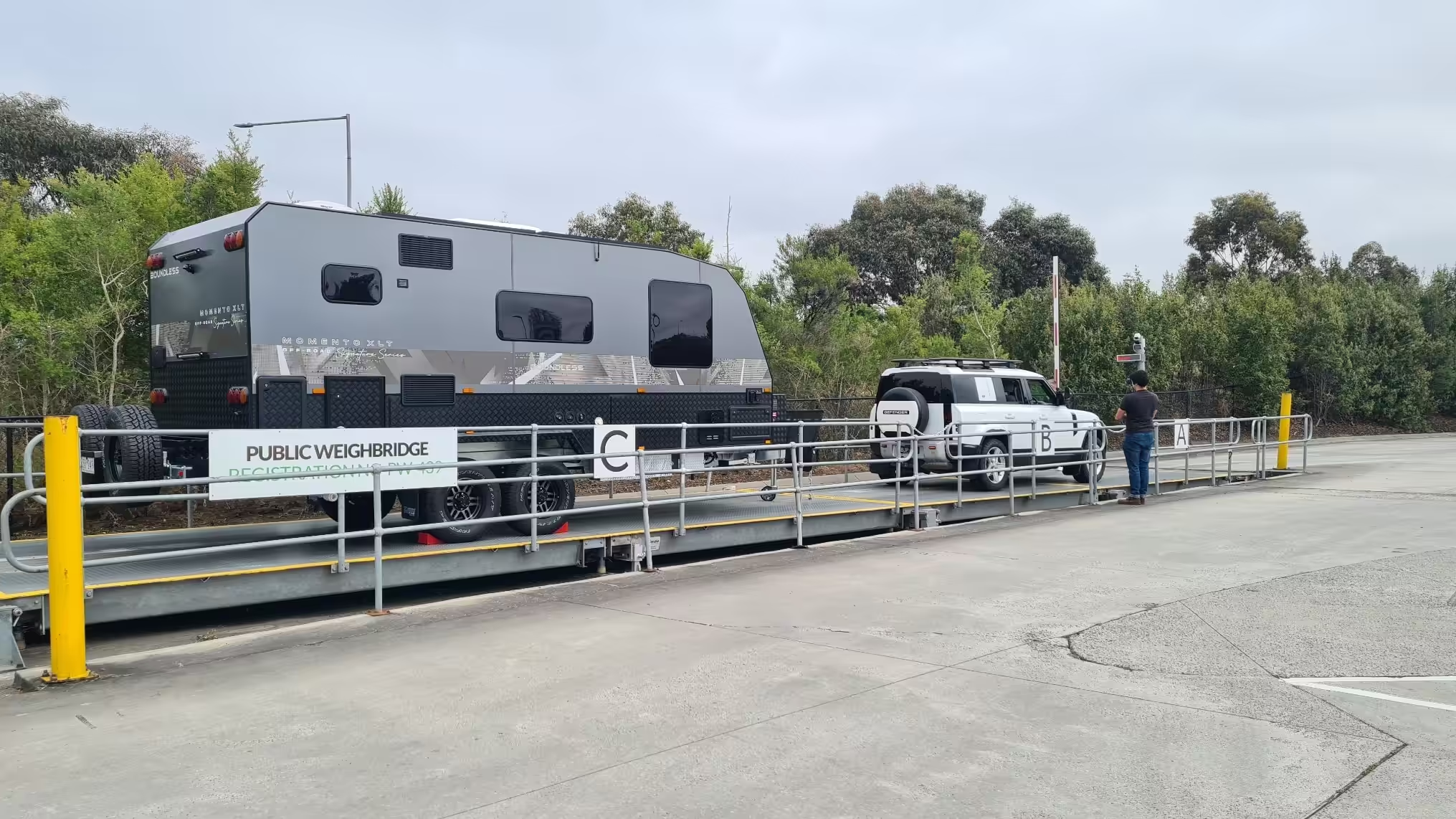
If you’re unsure how your current setup stacks up, it’s worth understanding your vehicle’s limits first. A proper GVM and towing assessment can highlight where upgrades might be needed.
There’s a common assumption that heavier wheels are stronger. These days, this isn’t necessarily true as modern manufacturing methods have changed the game. Processes like flow forging allow alloy wheels to be lighter while increasing strength, which is exactly what you want when towing.
Why? Because lighter wheels reduce unsprung mass, which directly affects your braking performance, handling stability and ride quality under load. When you’re towing a caravan, those things matter more than ever – especially once you’re off the highway.
We all know Australian touring conditions aren’t exactly gentle. Corrugations, heat, long distances, heavy loads… It’s a proper test for any setup.
That’s why it pays to look beyond just style when choosing wheels for towing a caravan. Wheels tested to Australian standards like AS1638 are designed to handle the kind of punishment that comes with outback touring.
If your trips include dirt roads or long regional drives, durability is essential – not optional.
This is where things can get a bit technical, but it’s worth understanding the basics. Changing your wheel offset can alter your vehicle’s track width, which is essentially how wide it sits on the road.
A wider track can:
This is all great when your towing a caravan, but if you go to far, you can introduce issues with steering feel and suspension geometry.
There’s also the legal side of things to consider. In Australia, passenger cars are allowed a maximum track width increase of 25mm, while off-road 4WDs and commercial vehicles are often allowed up to 50mm. Some states cap this at 25mm for certain vehicles, so you need to do your research before swapping out your wheels.
This one always sparks debate.
Steel wheels:
Alloy wheels:
For most setups towing a caravan, a quality alloy wheel makes a lot of sense, especially when you factor in weight, handling and long-distance comfort.
Not everyone does. If you’re towing a lightweight van on sealed roads, your factory setup might be perfectly fine.
But if your setup includes:
Then upgrading your wheels for towing starts to make a lot more sense.
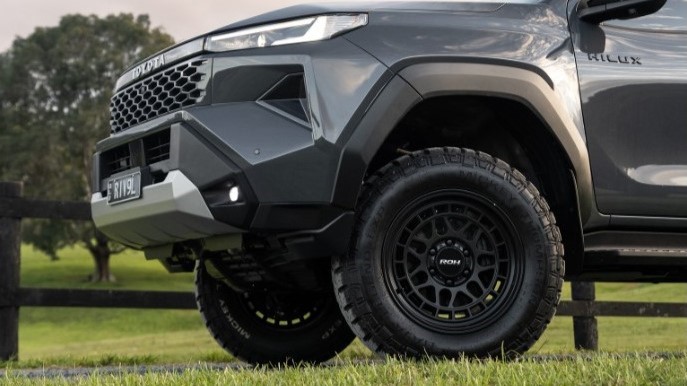
Yes. While they don’t directly change towing capacity, wheels must safely support the load placed on them.
It depends on your axle loads, but higher-rated wheels provide a safer margin for heavier setups.
Yes. Modern alloy wheels can be both lightweight and extremely strong when properly designed.
In many cases, yes. Your wheels must be rated to handle the increased load.