
Do you really need a big caravan to travel with a family?
Do you really need a big caravan to travel with kids? Here’s why our family of four sticks with a small teardrop camper and what we give up.
Published on: 25 September 2026
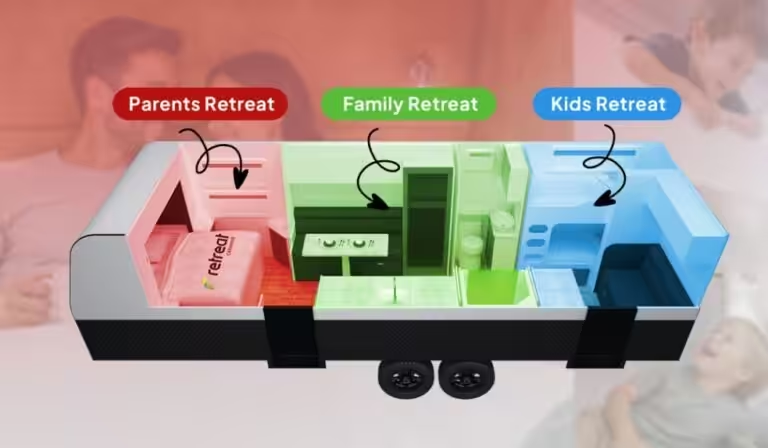
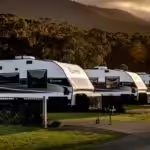
Big family vans with bunks, bathrooms, washing machines, big kitchens and multiple living zones look fantastic but they also come with big price tags, considerable towing weights and, often, the need for a substantial tow vehicle.
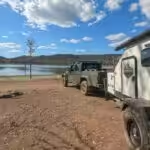
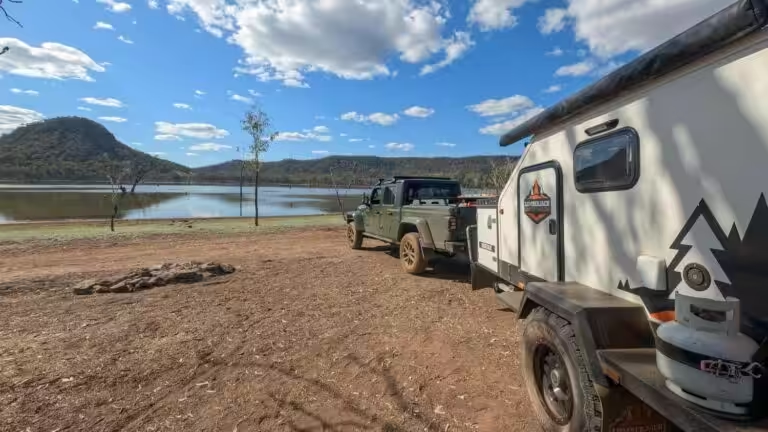
Do families actually need all of that to get out and explore Australia comfortably? For my family, the answer has been no. We travel as a family of four in a teardrop camper built for two.
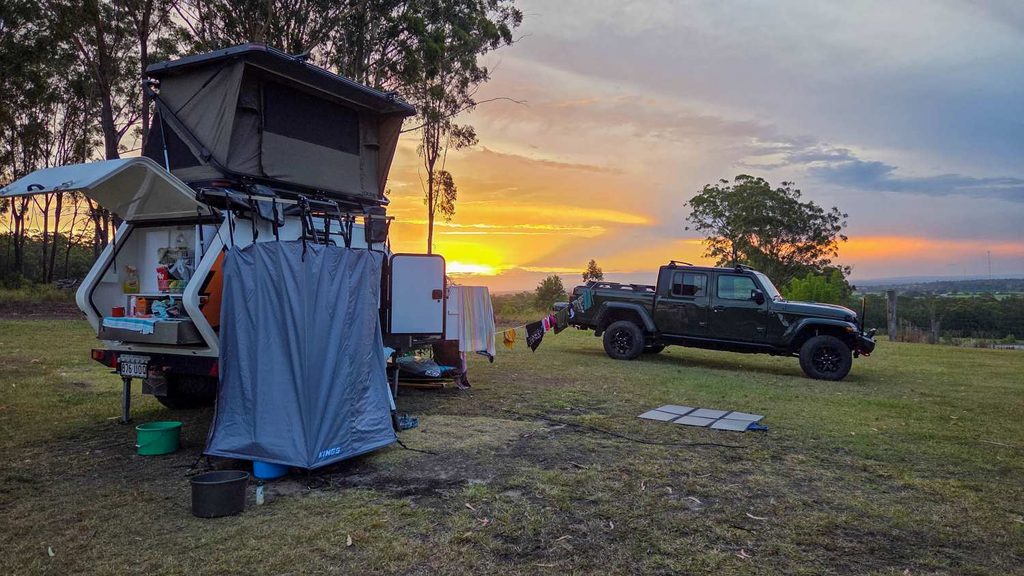
Well, it’s pretty simple really. My husband and I sleep inside the camper and until recently, the kids slept together in a rooftop tent mounted on top.
Now they’re a tween and teen, that arrangement has run its course and we recently moved them into the XTM Awning Tent, which gives them their own much larger room under the awning. The extra space means they don’t get on each other’s nerves anywhere near as much.
Let’s start with the obvious one… money.
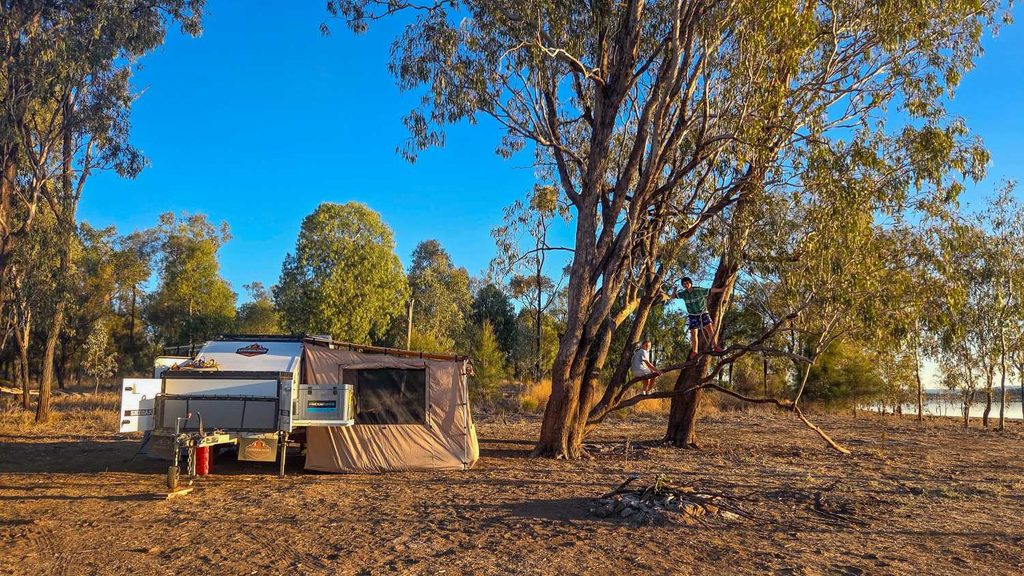
When we bought our Lumberjack Sheoak around five years ago, it cost us less than $30,000 brand new. Compare that with the $60,000, $80,000 or well over $100,000 you can spend on a large family caravan today, and it’s a pretty significant difference for something that, in our case, spends a fair chunk of the year sitting at home.
That’s not to say a big caravan isn’t worth the money. If we were travelling full-time or heading off on a Big Lap for 12 months, I’d probably look at the numbers very differently. But we’re not. Like plenty of families with school-aged kids, most of our longer trips fit around school holidays, with shorter weekends and trips away for the kids’ sport thrown in between.
Also, the purchase price isn’t the only part of the money equation. A bigger, heavier caravan has a financial ripple effect. There’s potentially a bigger tow vehicle, more fuel, higher insurance and registration costs, maintenance and even the question of where you’re going to store the thing when you’re not using it.
Suddenly, upgrading isn’t just about buying a bigger and nicer caravan.
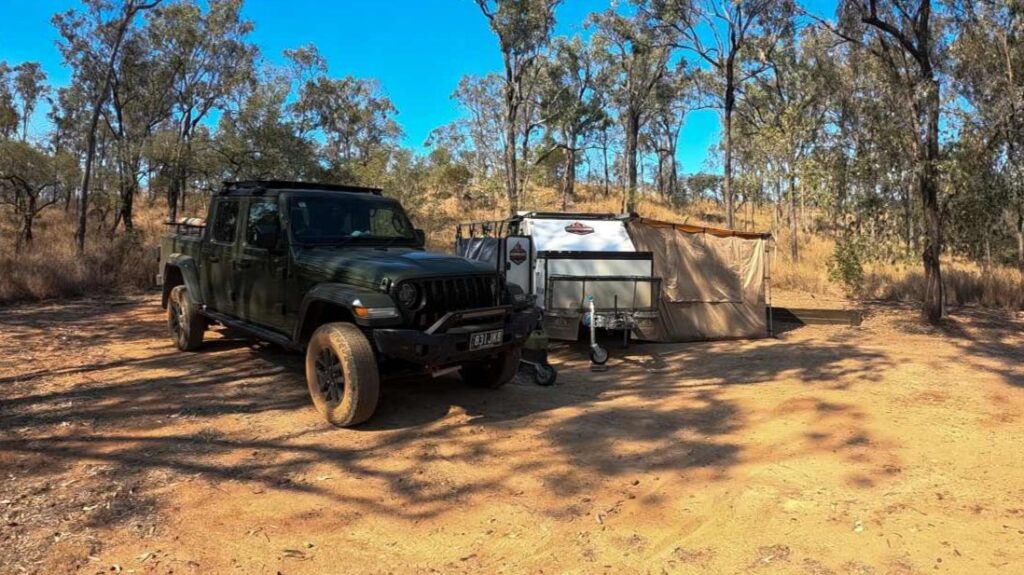
This is a big one for us. Our tow vehicle doesn’t have an enormous towing capacity, but with the teardrop camper, it doesn’t need one. The camper is light enough that we can tow it with the vehicle we already own.
Given what a new 4WD costs these days, that’s not an insignificant saving.
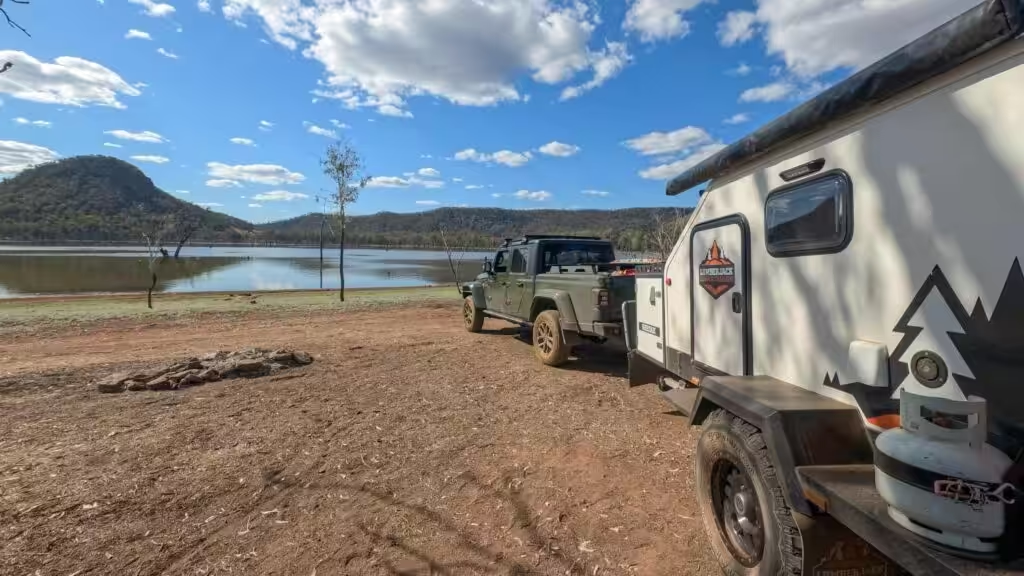
The benefits don’t stop with the purchase price. Our tiny caravan is relatively light and low compared with a full-height caravan, which means we’re not dragging a massive box through the air everywhere we go. There’s still a fuel penalty for towing, but weight and aerodynamics matter, and a compact camper has an obvious advantage here over a much larger, heavier van when it comes to fuel consumption.
It’s also just easy to tow. Pulling into a servo, car park or campsite doesn’t require much forward planning.
While we’re not taking this thing down hardcore off-road tracks, we do like getting off the bitumen. We’ve taken it down dirt roads, along off-road tracks, into national park campgrounds and into bush camps where manoeuvring a much larger caravan would be considerably more difficult, if not impossible. Its compact size means we don’t have to think too hard about whether we’ll fit through a gate, around the trees or into the campsite waiting at the other end.
I like to think of it this way. A bigger caravan gives you more inside space when you arrive. A smaller one gives you more options for where you arrive.
Because we’re not on the road full time, we’re not trying to recreate our house at the campsite. The Sheoak is basically a bed and kitchen on wheels and the campsite itself becomes the living area.
It doesn’t have the luxuries of a much larger caravan such as a washing machine and onboard bathroom, but it still has a lot of comforts, including a queen-size bed, fridge, kitchen, running water, TV, storage and plenty of power to run all the devices a modern family uses.
The kids have their own room in an under awning tent, which comfortably fits two self-inflating mattresses, a portable power station and all their gear.
Probably the biggest question to ask when choosing any caravan or camper isn’t what you want, but how you’re actually going to use it.
We’re not travelling full-time. We’re not living in our RV for six months of the year and we’re not currently packing up for a Big Lap. We’re a family with school-aged kids, work, sport and all the other things that make disappearing indefinitely rather difficult.
Most of our longer trips happen during the school holidays, and even then, we’re rarely away for the entire break. Throw in the occasional weekend and a few nights away when one of us takes the kids somewhere for sport, and that’s realistically how our camper gets used.
For us, it’s hard to justify having $80,000 or potentially more than $100,000 tied up in a caravan that would spend a significant chunk of the year sitting at home. Particularly when the camper we already have does everything we actually need it to do.
Would a big family caravan be nicer? In plenty of ways, absolutely. But there’s a difference between nice to have and worth paying for. And right now, I’d rather have money left in the budget to actually go somewhere.
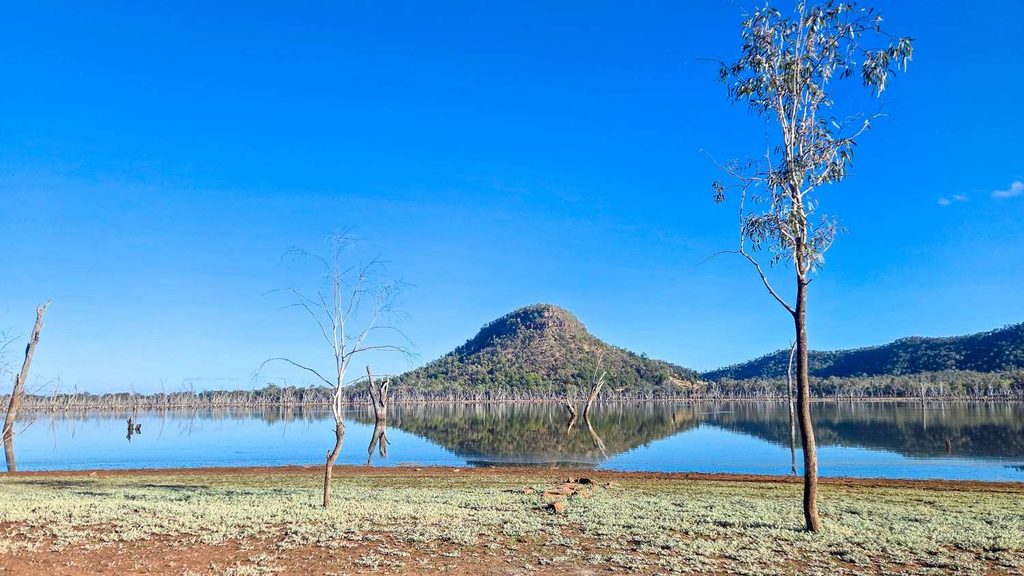
This is where my argument for travelling small comes with a fairly large caveat. If we were packing up tomorrow to travel Australia for six or 12 months, I’d probably be looking at our setup very differently.
Suddenly, an internal toilet and shower would become much more appealing. So would permanent beds for the kids, additional storage and somewhere comfortable for four people to retreat when it’s been raining for three days straight. When your caravan becomes your home rather than somewhere you sleep during a holiday, those extra comforts carry a lot more weight.
So I’m not arguing that small caravans are better than big caravans. They’re not. Nor am I suggesting families spending big money on a caravan have got it wrong. I just think there’s a tendency to buy for the travelling we imagine ourselves doing one day rather than the travelling that we can realistically manage now.
For us, right now, that means a small camper, a separate sleeping space for the kids and a few compromises along the way. If our style of travelling changes in the future, our setup probably will too. Until then, I’d rather have an RV that suits the adventures we’re actually having than one built for a hypothetical trip we might never take.
A small caravan can pack a surprising amount of comfort but the big downside is no internal toilet or shower.
We make do with a portable compost toilet which is housed in an ensuite awning tent. It’s not uncomfortable but I do understand that a portable camping toilet – whether its a chemical toilet, compost toilet or something else – is not for everyone.
Other downsides include having to set up a separate sleeping area for the kids and limited indoor space when the weather is miserable. However, the latter is easily managed by checking the weather and changing plans when we need to.
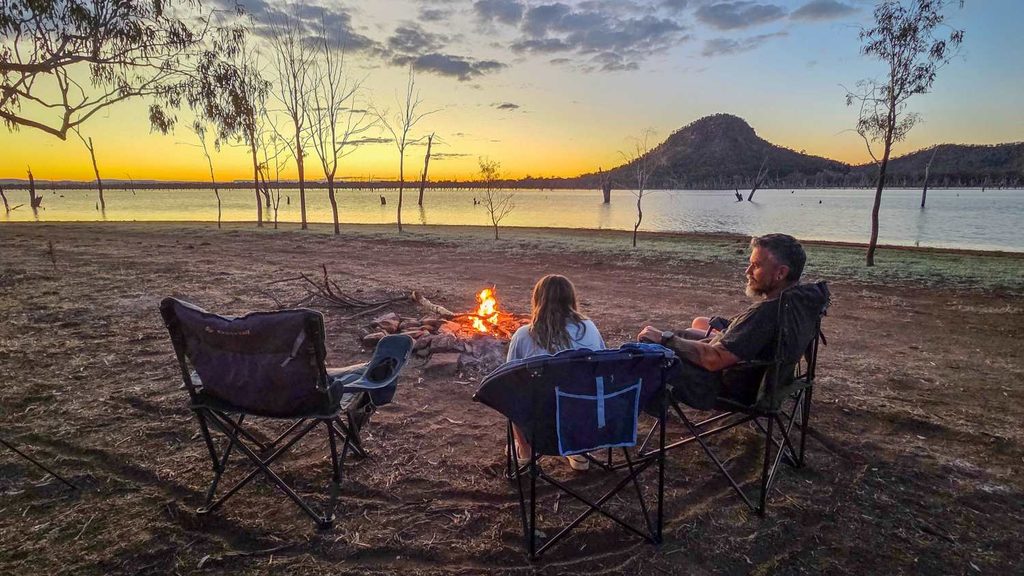
My dream isn’t even a bigger caravan. It’s a dirty great truck-based overlander with room for a couple of motorbikes on the back. But that’s not what we need right now.
What we have is affordable, comfortable, relatively cheap to tow, fits where we want to take it and allows my family to continue exploring Australia one amazing campsite at a time.
So, do you need a big caravan to travel comfortably with a family? Our experience says no.
You need enough room for everyone to sleep comfortably, enough power to keep your devices and appliaces running, a setup that works for the way your family actually travels and, perhaps most importantly, enough money left over to actually use the thing.
For us, bigger wouldn’t necessarily mean better. It would just mean bigger.