
LED driving lights: What to look for when towing or touring
Choosing LED driving lights for towing or touring? Learn what to look for in beam patterns, mounting, wiring and durability.
Published on: 16 November 2026
Most of us plan to have the van parked and a drink in hand before dark. Then you leave an hour late, roadworks eat up another half an hour and suddenly you’re still a fair way from camp as the sun goes down.
That’s when a decent set of driving lights is welcome company. But shopping for them? There’s a lot of talk about lumens, lux and lighting up something a kilometre away. All you really want to know is whether you’ll get a better view of the road ahead and the roo eyeing it off from the verge.
So, what makes a good set for your tow vehicle, motorhome or campervan? Let’s unpack what you should consider.
There’s a fair difference between leaving after work on a Friday and spending the last couple of hours on dark country roads, and rolling into camp by three every afternoon. How you travel has a lot to do with what you’ll get out of a set of driving lights.
On long, open highways, distance is handy. On winding rural roads, a good spread of light helps you see more of the bends and verges. For many of us, a touring trip involves a bit of both.
Driving lights work alongside your high beam, so when you dip for traffic, you’re back to your regular headlights. Those still deserve a little love – a clean lens and correctly aligned beam can make a difference, especially if they haven’t had much attention lately.
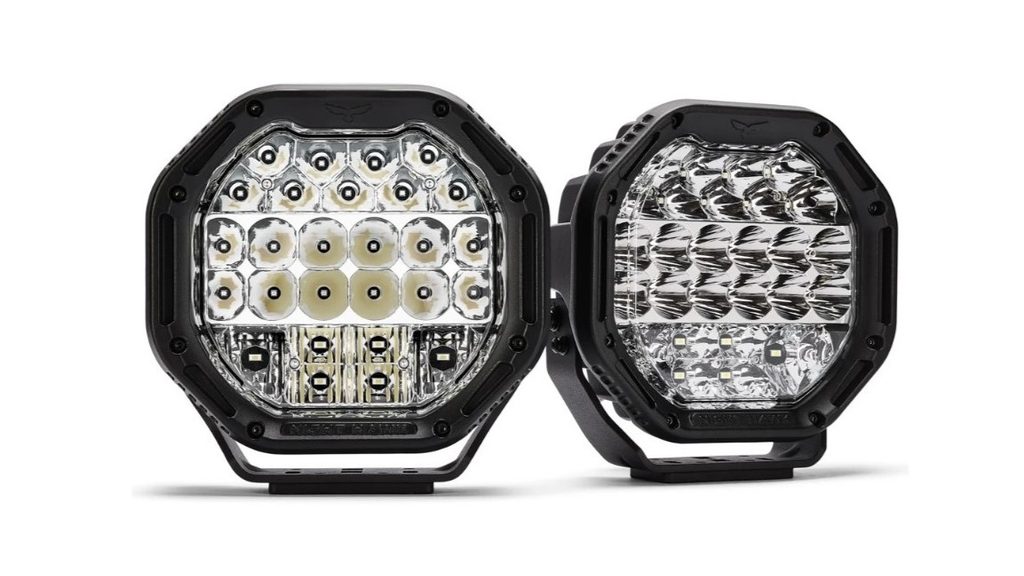
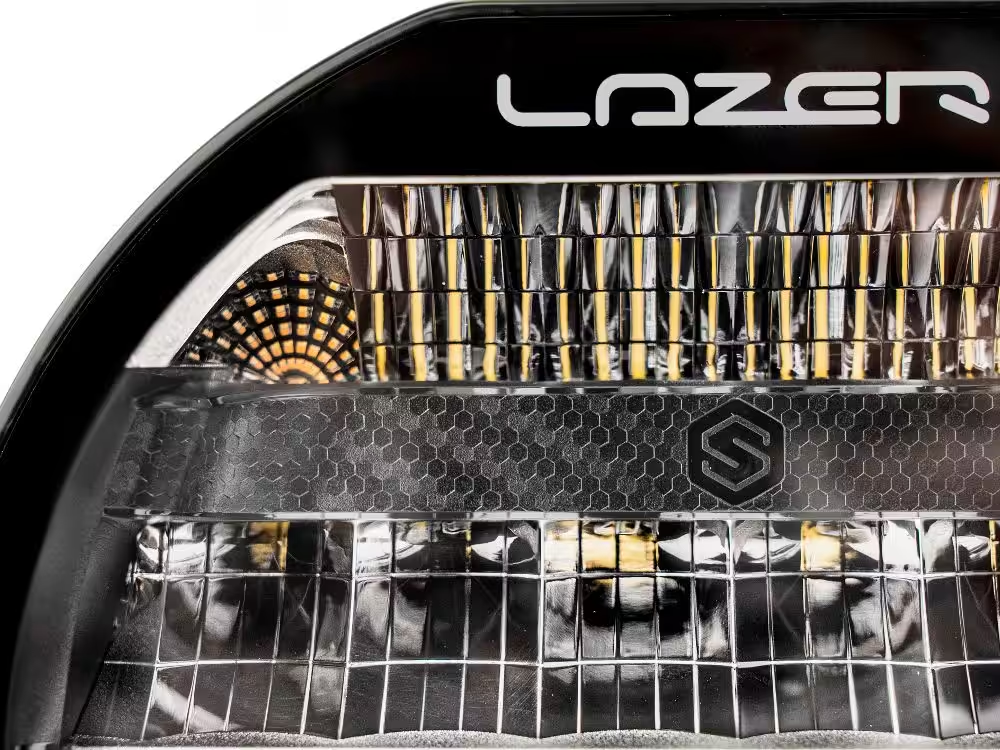
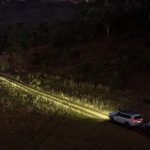
Seeing a long way down the road is handy, but so is seeing the kangaroo hanging around beside it. That’s where beam spread comes in. A spot beam concentrates light farther ahead, while a flood beam lights up a wider area. A combination beam gives you a bit of both, so you can see down the road as well as more of the verges.
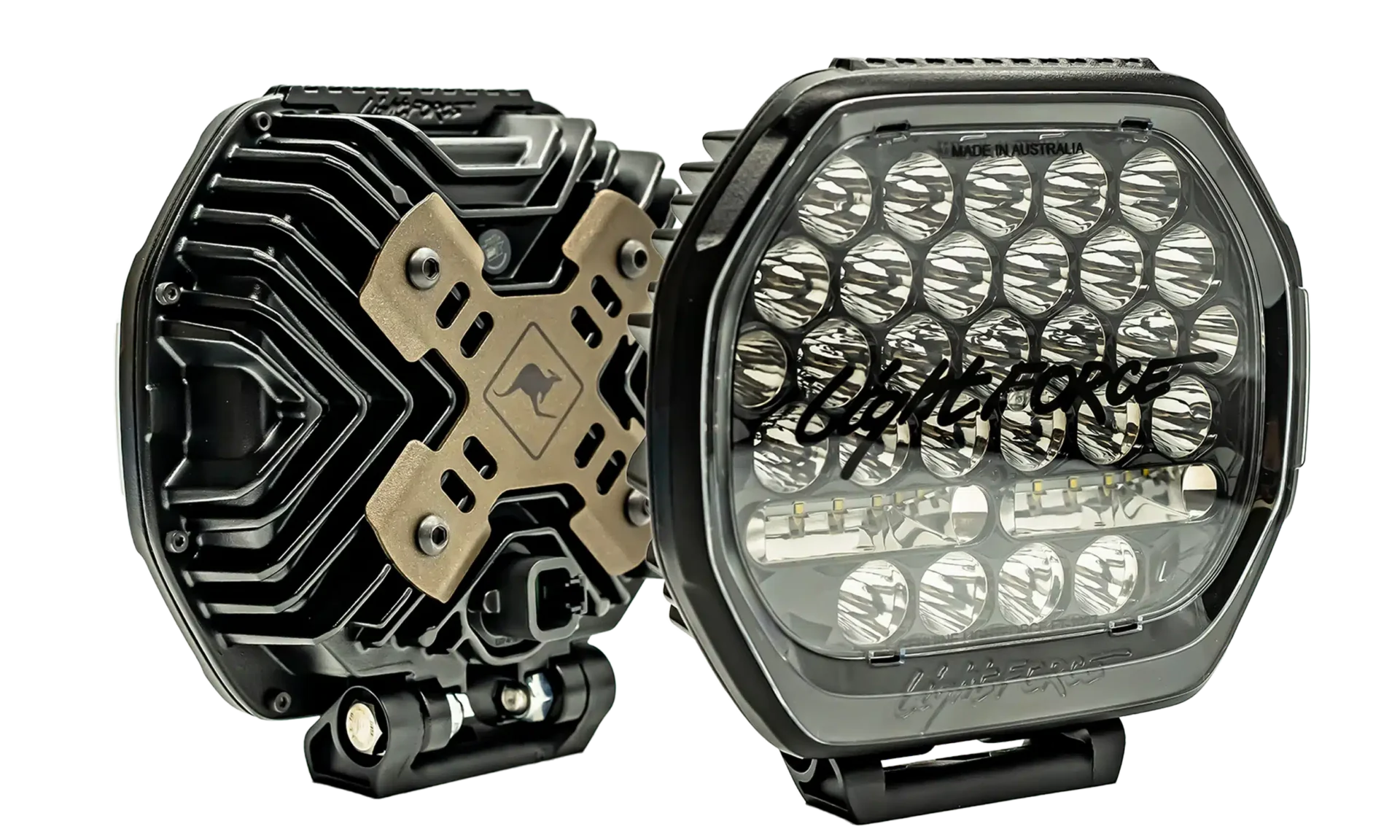
Bushranger’s Night Hawk ADV lights bring spot and flood reflectors together in the one light. For touring, that means you’re getting distance along with wider coverage that could help you pick up wildlife near the road’s edge.
Of course, no set of lights can tell you what a roo will do next. But a clearer view of where it’s lurking is a good start.
You won’t get far into shopping for driving lights before lumens and lux start popping up. They sound similar, but they tell you different things.
Lumens tell you how much light comes out. The catch is whether you’re looking at raw or effective lumens. Raw figures are generally a theoretical total for the LEDs, while effective lumens describe what the finished light actually puts out. It’s also worth checking whether that impressive number is for one light or a pair.
Lux tells you how much light reaches a particular spot. When you see a distance quoted “at 1 lux”, that’s how far the beam reaches before illumination drops to that level in testing. It doesn’t mean you’ll clearly see everything between your bonnet and that distant point.
Take Bushranger’s 9-inch Night Hawk ADV kit. Bushranger quotes 25,640 effective lumens and a reach of 1,285m at 1 lux, measured without the optional protective covers. Those figures help paint the picture, but beam spread fills in the rest. A big number on the box is only part of the story when you want a useful view of the whole road ahead.
It’s easy to picture a big pair of driving lights on the front of your rig. Finding enough room for them can be another story.
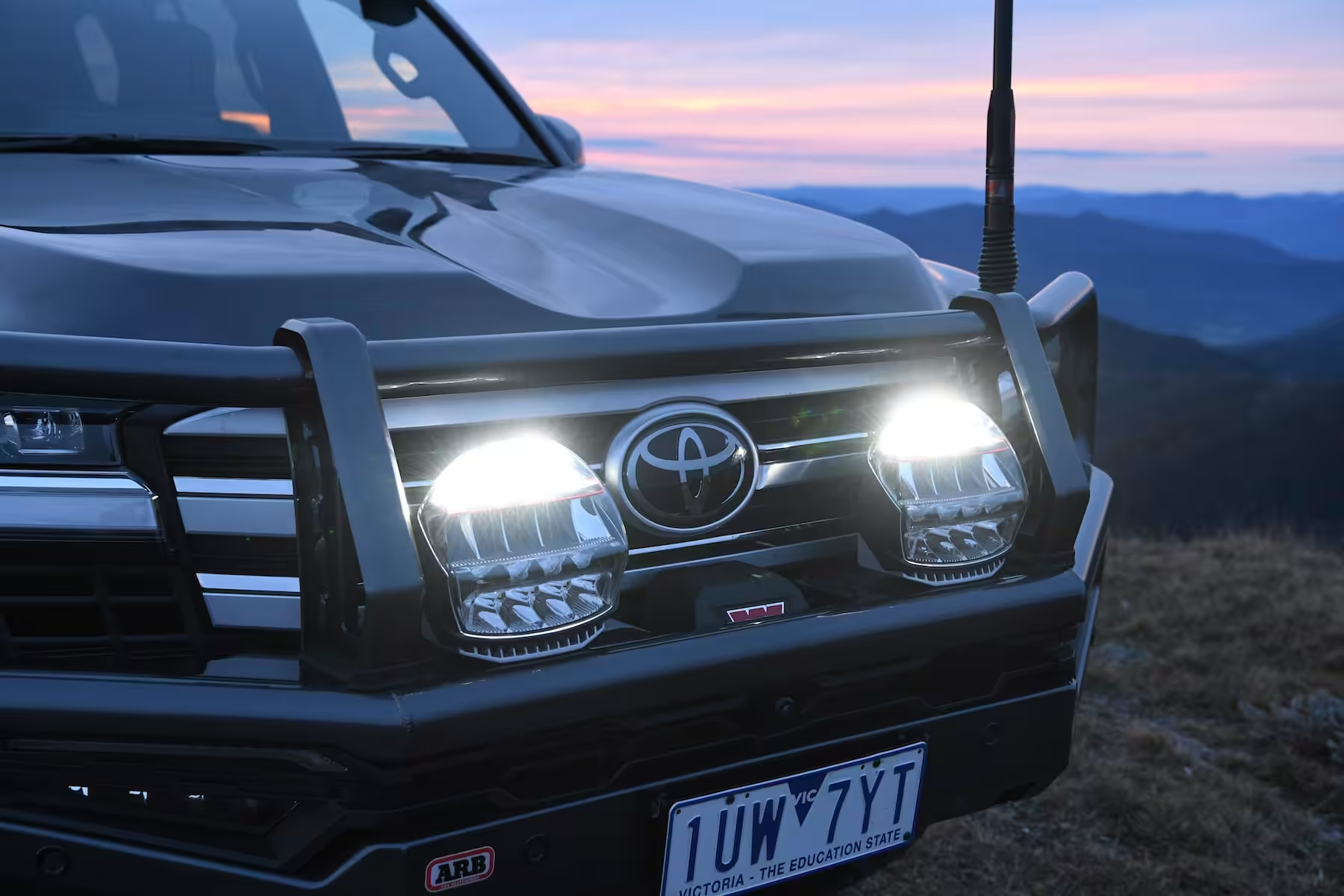
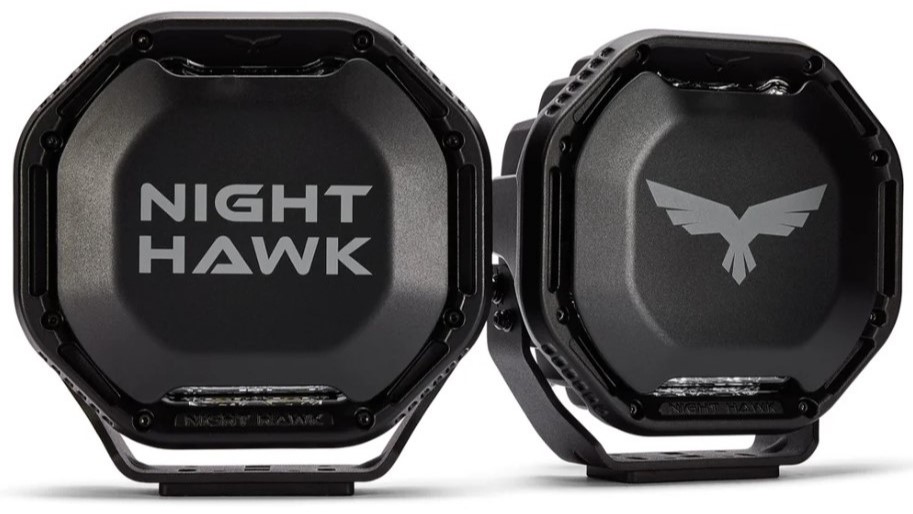
There’s more to the fit than squeezing them between the bull bar hoops. The brackets take up space too, along with the body behind the lens, the wiring and enough room to adjust the beam. Being able to get a spanner onto the bolts is also handy.
Bushranger’s Night Hawk ADV range comes in 7-inch and 9-inch sizes, giving you a couple of options depending on the space available. A quick measure and a chat with your installer can help settle which suits your setup. They can also check that the mounting points can handle the weight and that the lights won’t get in the way of airflow, your number plate, existing lights or cameras and sensors.
For motorhome and campervan owners, mounting might take a little more thought, particularly without a bull bar. A plastic bumper or grille alone generally won’t provide the support needed, so a suitable mounting bracket or vehicle-specific solution becomes part of the job.
You don’t need to tackle a gnarly 4WD track to give your gear a shaking. Let’s face it, plenty of our rural roads are simply sh*t and a corrugated stretch into camp adds another workout.
If your driving lights keep moving on their brackets, that carefully aimed beam won’t stay where you want it. Solid mounting hardware and an adjustment that holds firm can save you from having to pull out the spanners every time the road gets rough.
Bushranger uses 4mm stainless-steel brackets with rubber damping mounts on the Night Hawk ADV range to help reduce vibration, and lists SAE J575 shock and vibration compliance. Brackets might not be the most exciting part of shopping for lights, but a few hundred kilometres of corrugations can make you appreciate them.
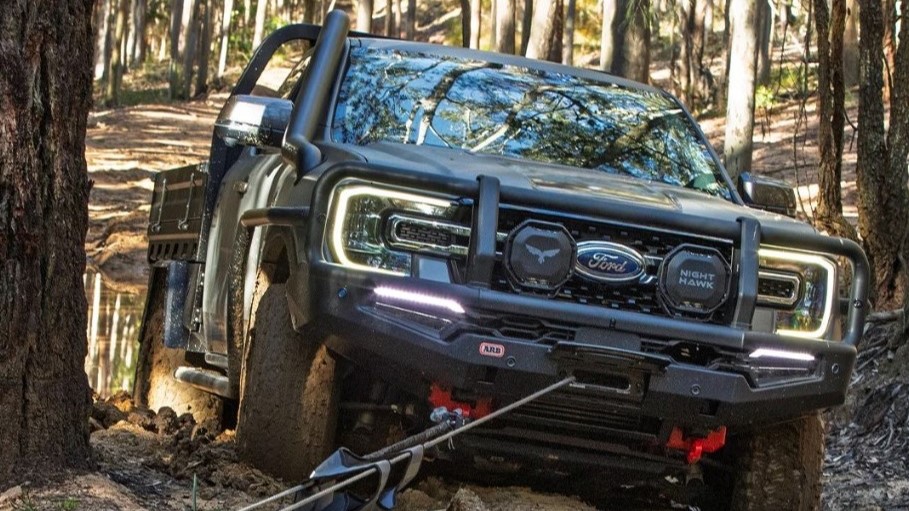
Driving lights spend their lives out in the weather, copping rain, road grime and whatever dust you stir up on the way into camp. That’s where those IP ratings on the spec sheet come in: they tell you how well the lights are sealed against dust and water.
Bushranger lists IP68 and IP69K ratings for the Night Hawk ADV range, covering dust protection, immersion and high-pressure water testing. The immersion part comes with specific test conditions, so it doesn’t mean they’re happy living at the bottom of a creek.
The wiring connections need protection too. A well-sealed light is only part of the job. Tidy cable routing and properly protected plugs help keep the whole setup ready for the next trip.
The Night Hawk ADV kits come with a wiring loom and simple on/off operation, which keeps things straightforward. But “plug and play” can still involve an extra piece of the puzzle, depending on what you drive. Some vehicles need a specific adaptor or interface to connect the lights to the high-beam signal, so the fitted price is the useful one to ask about.
There’s also a reason your driving lights need to work with your high beam. In Queensland, light-vehicle requirements mean they must switch off automatically when you dip your headlights. You also need a separate switch so you can use high beam without the driving lights coming on. Your installer can talk you through the requirements for your vehicle and where it’s registered, as well as any extra bits needed to get everything working together.
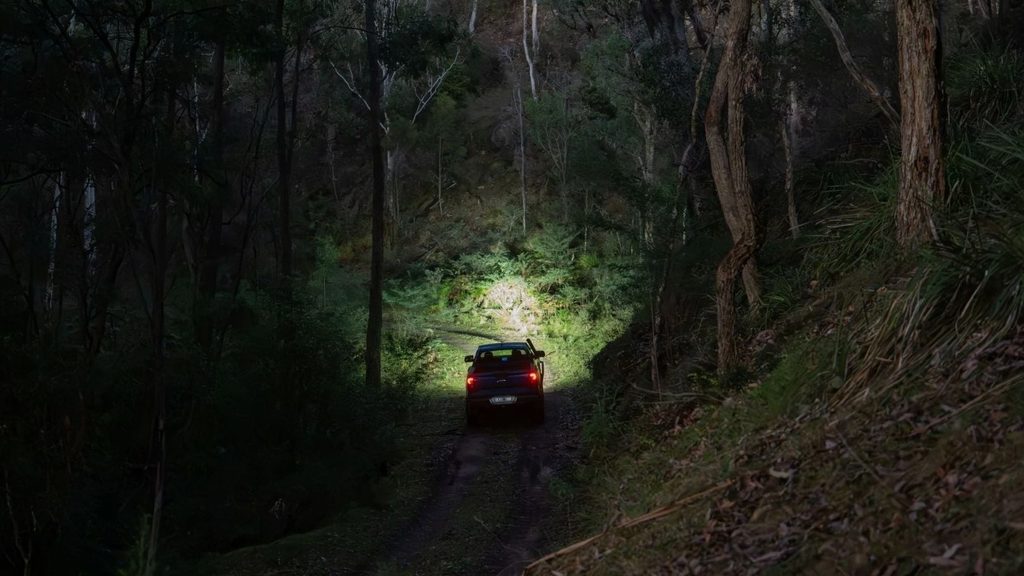
Your lights might be perfectly aimed in the driveway, but add your touring gear and hitch up the van and things can change. If the rear of the vehicle settles under the load, the beams can end up pointing higher than intended. That makes your usual travelling setup the useful starting point for checking alignment. The same goes for a motorhome or campervan loaded with water, gear and everything else you take away.
If the lights are pointing skyward, it’s worth checking the loading and suspension setup as well as the light adjustment. Your vehicle may have a headlight levelling control, but that generally won’t adjust the driving lights bolted to your bull bar.
A check with everything loaded helps put the light back where you want it on the road ahead, without dazzling other drivers or bouncing glare back at you.
A good set of driving lights earns its keep through more than a big distance figure. Useful spread, solid brackets and a tidy installation are all important once you’re out travelling.
Bushranger’s Night Hawk ADV range gives you 7-inch and 9-inch options to consider for your setup. Then, when a travel day runs longer than planned, you’ve got some extra light for the run into camp. Although getting the chairs out before sunset still sounds pretty good to us.