Things to do in Moree and beyond: Why the plains deserve more than an overnight stop
Hot pools, country pubs, open skies and a town that runs on two time zones. Here’s why the Moree Plains are worth a closer look on your next road trip.
You’ve been on the road for hours, the kids have asked how much longer approximately 47 times, and your back is starting to remind you that you’re not as young as you used to be. Then you pull into Moree and discover there’s a hot artesian pool waiting for you.
You could have a soak, spend the night and hit the road again in the morning. But with plenty of things to do in Moree and the surrounding region, you’re really missing out if you don’t stay a few days longer.
Moree sits at the crossroads of the Newell and Gwydir highways, so there’s a good chance you’ll pass through if you’re travelling inland between Queensland and NSW or across the state. Head beyond town and you’ll find country pubs, small villages, farming country, art, history and more places to soak.
From Boomi’s baths to a border crossing on foot in Mungindi, here’s what to add to your Moree Plains itinerary.
Let’s start with the obvious one. After a long stint behind the wheel, a soak in a hot pool sounds pretty good.
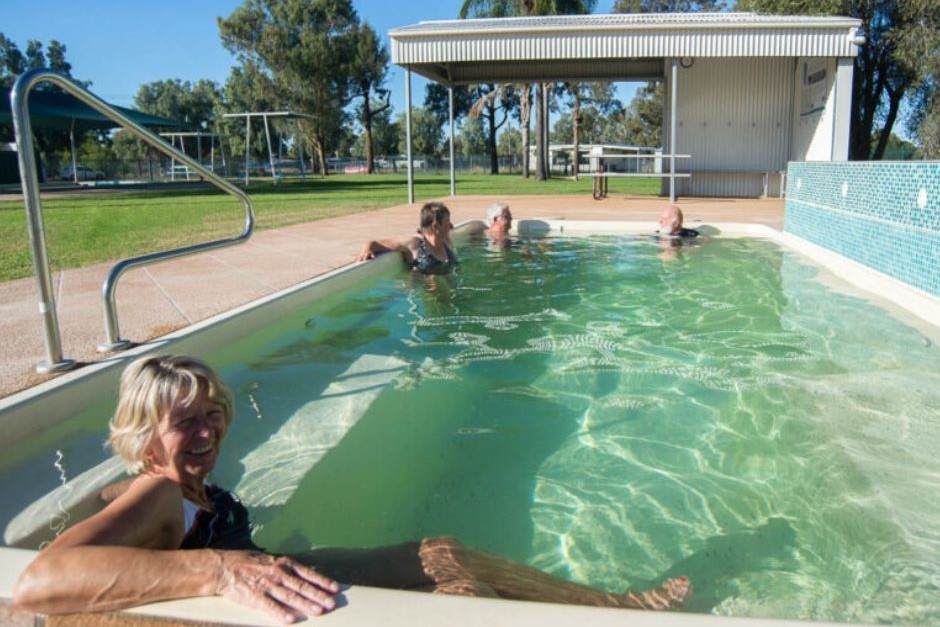
The Moree Artesian Aquatic Centre is a good place to begin, with naturally heated artesian pools fed by water from the Great Artesian Basin. Head over after you’ve set up camp and let the kilometres melt away.
But Moree isn’t the only place to find a hot pool around here.
About 94 kilometres north of town, the small village of Boomi has an artesian pool and a neighbouring caravan park. That means you can make a proper stop of it instead of keeping one eye on the clock.
There’s also a hot pool at Mungindi, around 120 kilometres north-west of Moree. The Mungindi Hot Pools complex has swimming pools as well as a warm artesian pool. Opening hours change with the seasons, so check before you visit.
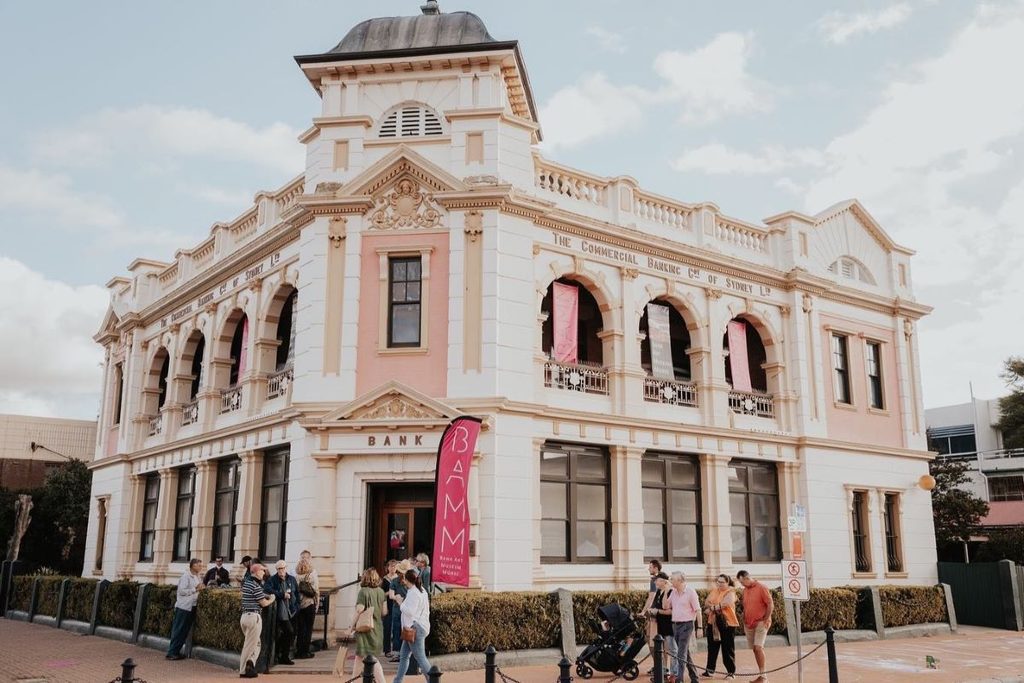
Moree makes a handy base for exploring the region, but don’t be too quick to leave town. Take a walk through the centre and look out for the Art Deco buildings and clock tower. Then pop into Bank Art Museum Moree to see what’s on at the regional gallery.
If you’d like to learn more about the region’s Gamilaroi people, visit the Dhiiyaan Aboriginal Centre. The centre preserves Aboriginal family histories, photographs, artworks and other records, and its displays offer a chance to learn more about the people and stories of the region. Check opening hours and collection access before you go.
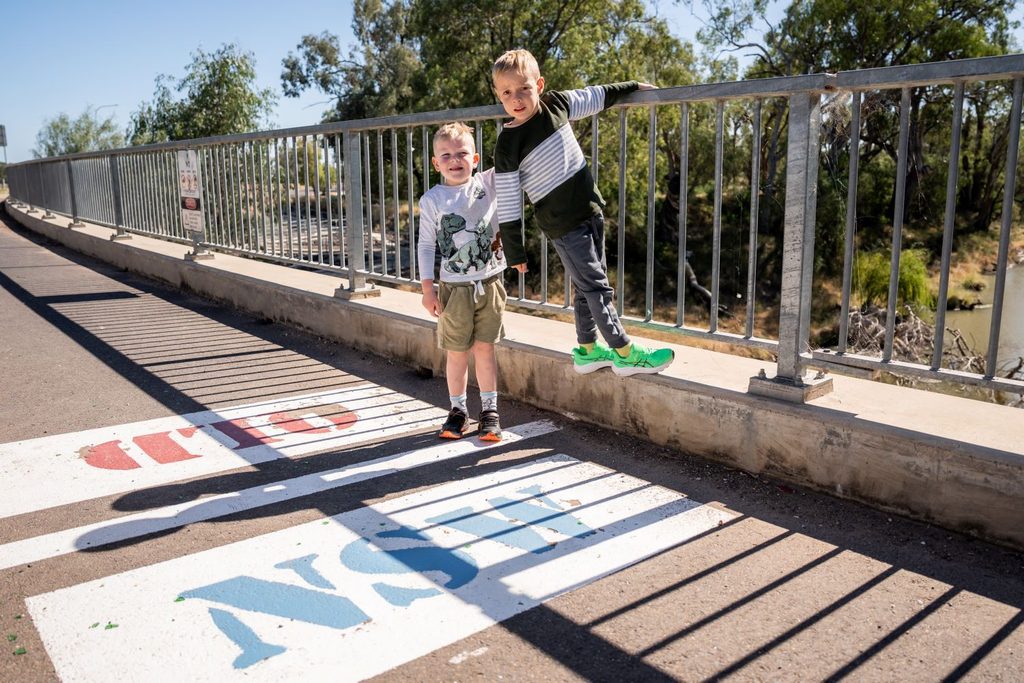
You’ll also find murals around the town centre, making it easy to turn a coffee run into a wander.
If you’ve driven through the Moree Plains, you’ll know farming is a big deal out here. Cotton is one of the region’s major crops, and the cotton farm and gin bus tour takes visitors behind the scenes to see how it gets from the paddock to processing.
Cotton picking generally happens between March and May, although the timing can vary depending on the season. The visitor website lists April to September as the best time for the tour, so check what’s available when you’re planning your trip.
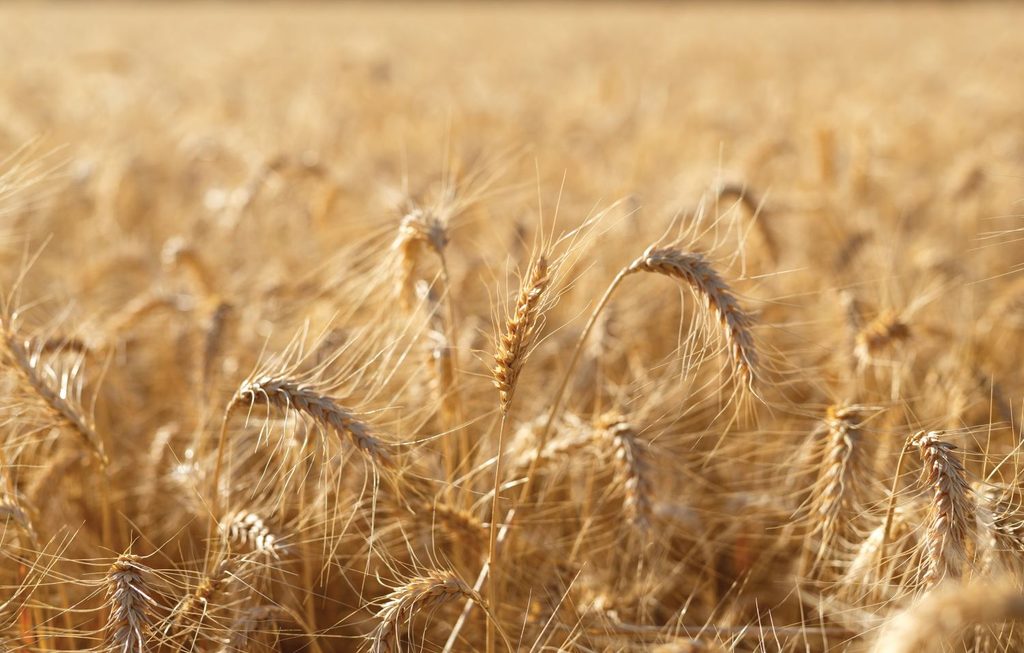
Even if you don’t join a tour, the drive through the surrounding countryside is worth taking slowly. Depending on the season, you might pass green crops, golden paddocks or farmers busy bringing in the harvest.
About 120 kilometres north-west of Moree, Mungindi is a little town with a rather unusual claim to fame: it sits on both sides of the NSW–Queensland border.
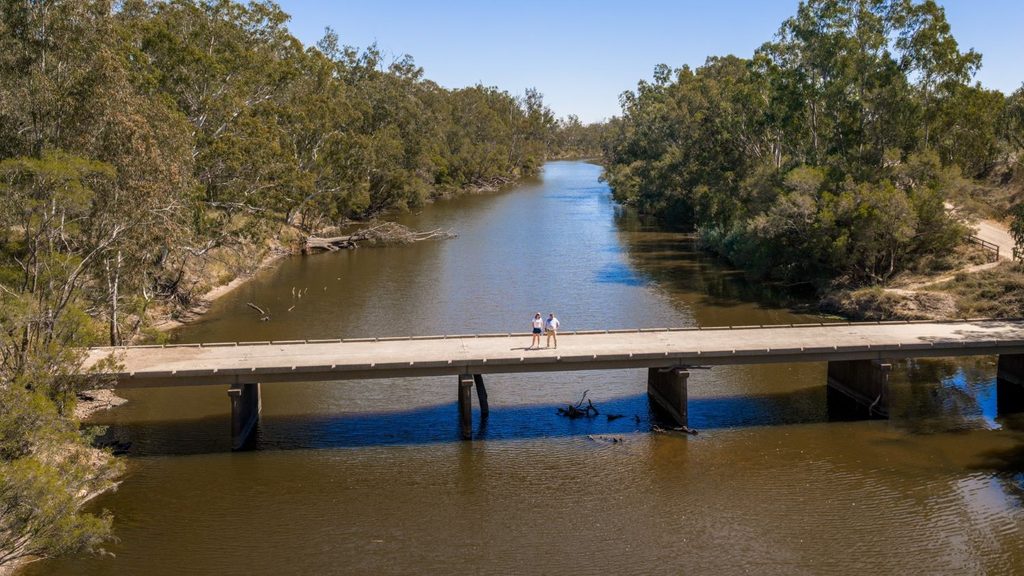
The Barwon River runs through town, and when daylight saving is in effect, the two sides operate on different time zones. Handy if you want to gain an hour. Potentially confusing if you’ve arranged to meet someone for lunch.
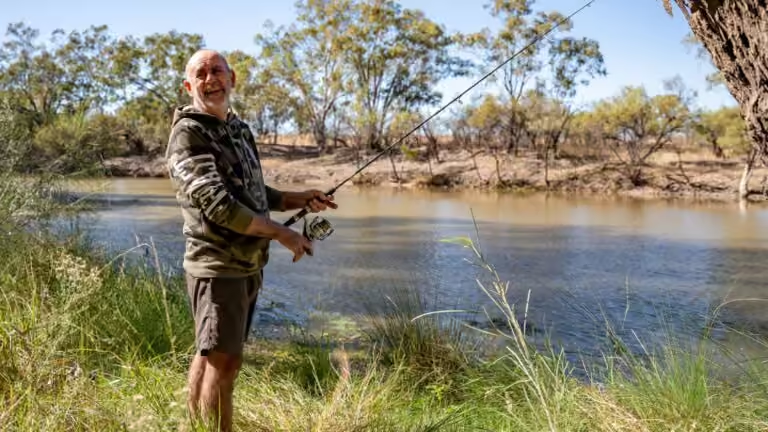
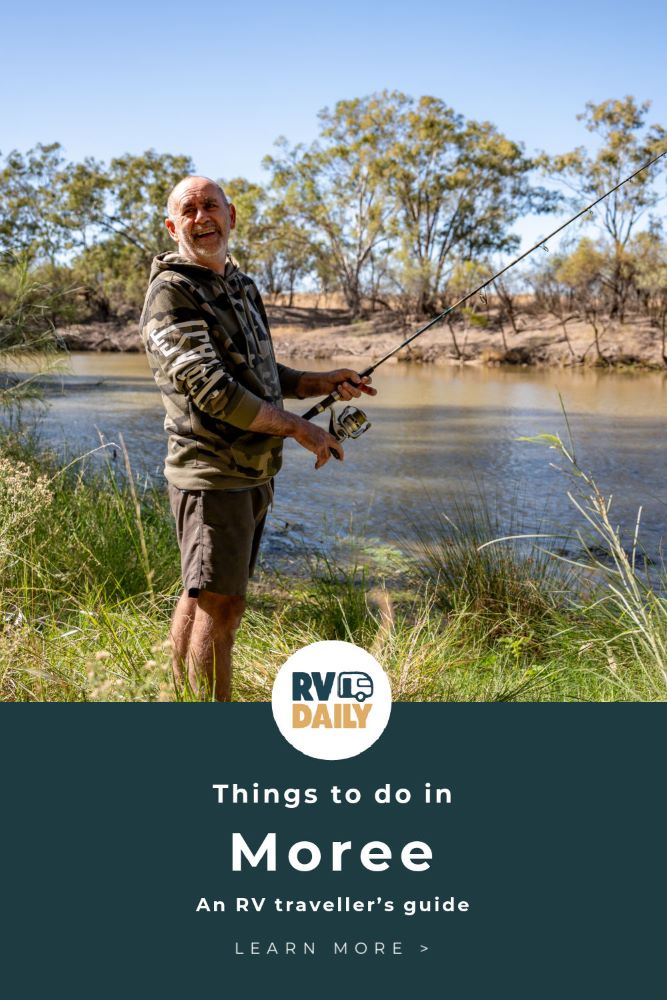
Stretch your legs on the Mungindi Sculpture Trail, which crosses the state border, then check out Mungindi History Park and the One Ton Post. If you’ve packed the fishing gear, you could also try your luck on the Barwon River. Otherwise, there’s always the hot pool calling your name.
Around 47 kilometres south-east of Moree, the Terry Hie Hie Aboriginal Area is a place to learn more about the region’s Gamilaroi heritage.
Start at the picnic area, where signs introduce the site and the Yana-y Warruwi walking track. The area was an important ceremonial and gathering place, and some culturally significant sites can only be viewed by appointment.
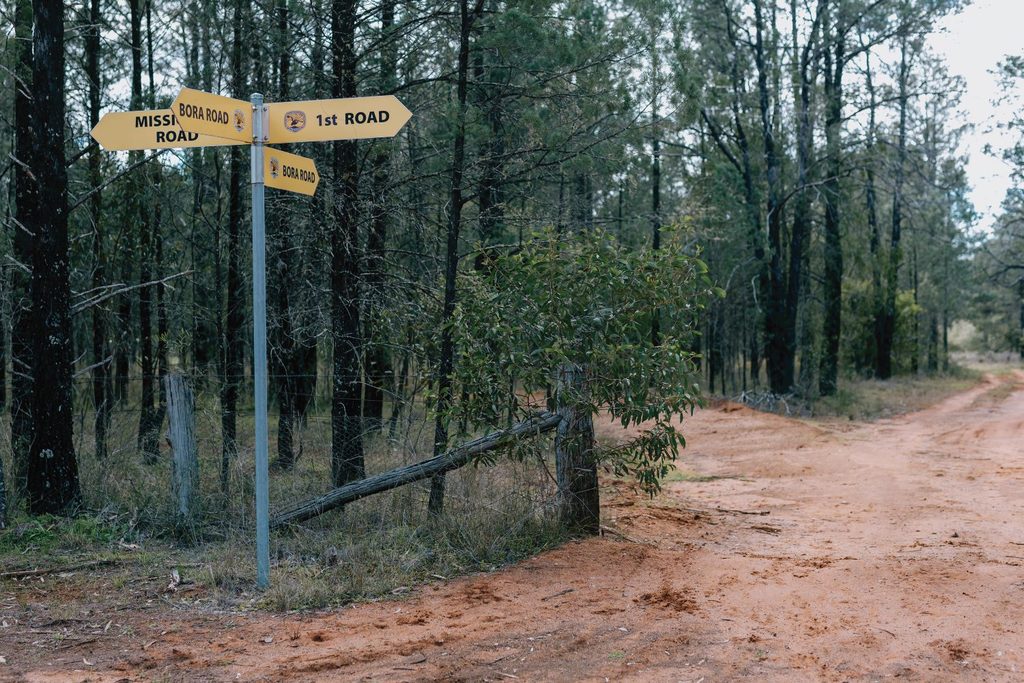
Another option is to head east to Pallamallawa, known locally as Pally. The visitor centre’s self-guided country drives offer ideas for exploring the surrounding roads, with spots to stop along the way.
If you’re towing, check road conditions and whether the route is suitable for your rig before setting off. Or leave the van at camp and make a day trip of it.
There’s nothing like a local event to give you an excuse to stay an extra night or two.
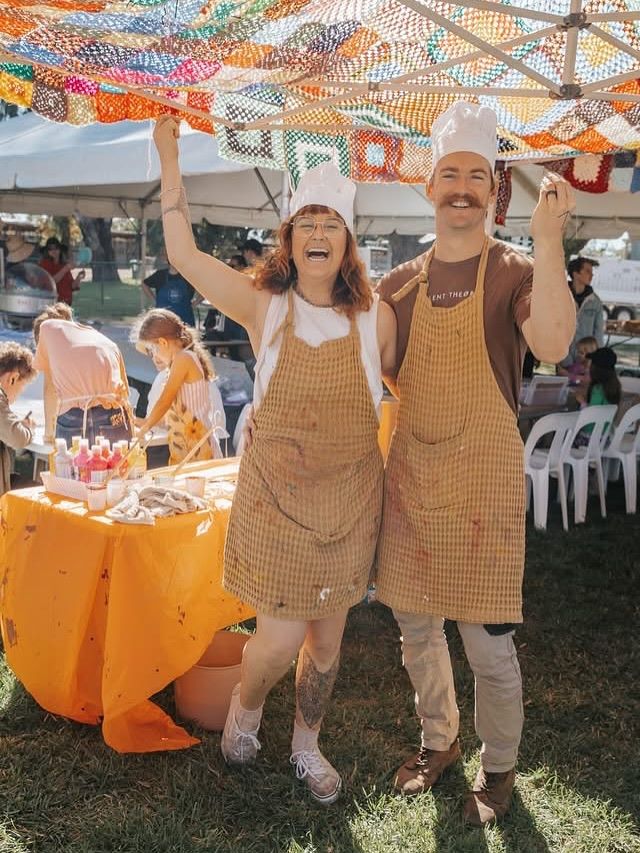
Moree on a Plate is one of the region’s autumn highlights, bringing together food, wine and regional produce. It’s traditionally held on Mother’s Day weekend, but check the confirmed date before planning your 2027 trip.
The region also hosts country picnic races, including events at Moree, Mallawa, Mungindi and Talmoi. It could be a good excuse to swap the camp chair and thongs for a day at the track.
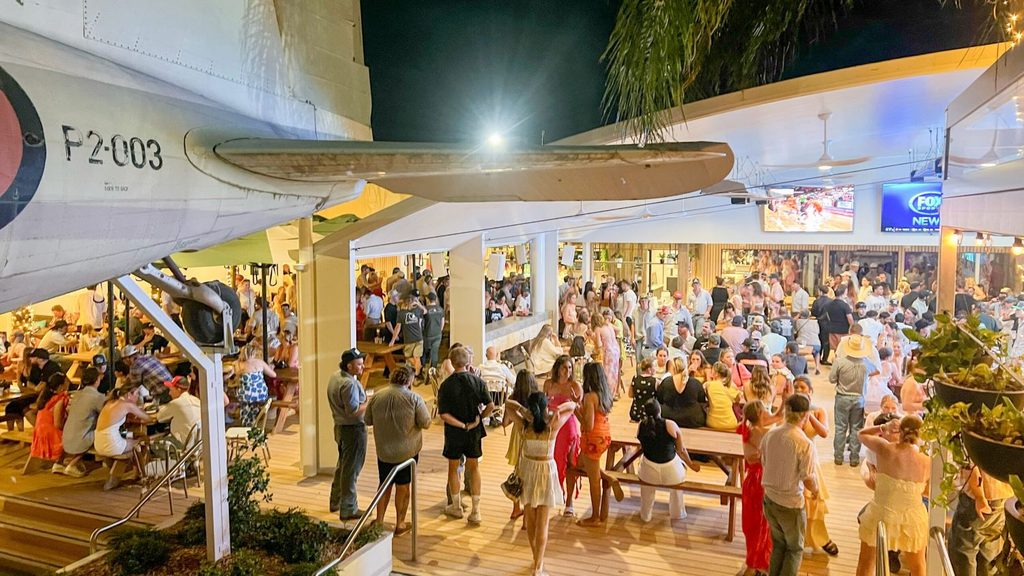
Having a kitchen on wheels is great. Not having to use it every night is even better. In Moree, the Amaroo Tavern is a family-friendly choice with a playground connected to a decommissioned C47 Dakota aircraft. If the kids have been cooped up in the car, this might be the easiest lunch stop you make all trip.
Out at Pallamallawa, the Pally Pub serves country pub meals and has a playground and lawn where the kids can stretch their legs. If you’re heading to Mungindi, look out for Flock for a coffee or breakfast before exploring town. And if you’ve made it to Boomi for a soak, the Pioneer Hotel is another country pub option.
As with any small-town road trip, it pays to check opening days and hours before you arrive, especially if you’ve spent the last hour dreaming about a pub lunch.
Whether you want to park up close to town or take the van further into the region, there are a few options to choose from.
Moree Tourist Park
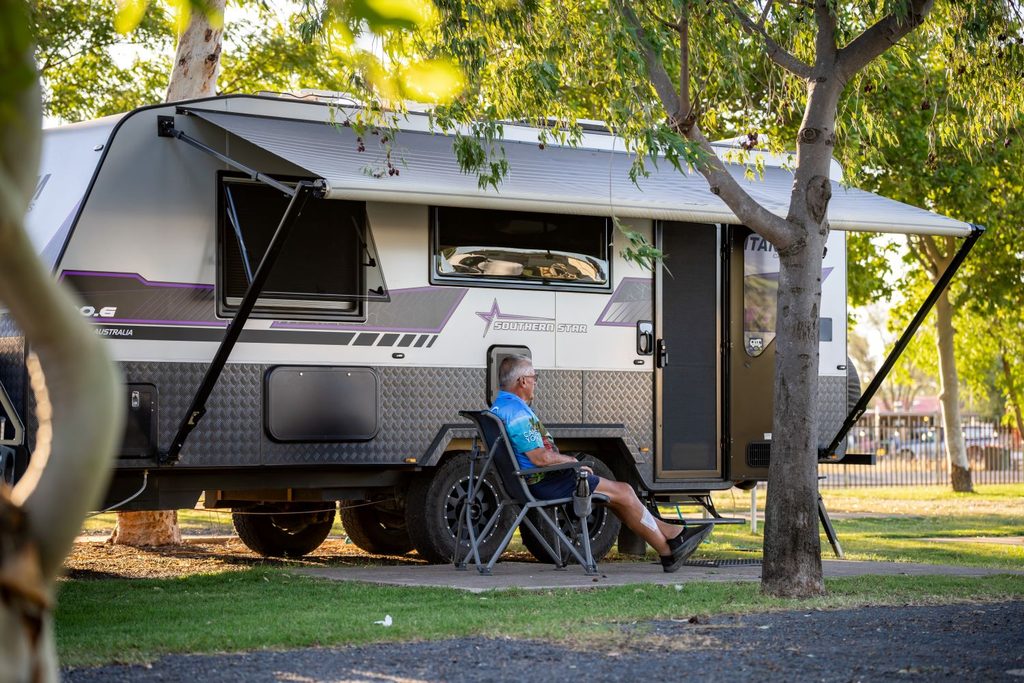
Beside the Mehi River, Moree Tourist Park has powered and unpowered caravan and camping sites, including drive-through options. It’s a handy base if you want to explore Moree before setting off on day trips around the plains.
Moree Hot Springs Units & Caravan Park
Want to keep the walk between your campsite and a hot soak as short as possible? Moree Hot Springs Units & Caravan Park has artesian pools on the property.
Boomi Caravan Park
For a quieter stop outside Moree, Boomi Caravan Park is close to the village’s artesian pool. Park up, have a soak and enjoy a night in a smaller country community.
Mungindi Caravan Park
If you’re spending a night in the border town, Mungindi Caravan Park offers a shady base not far from the Barwon River and the local attractions.
Check site sizes, prices, pet policies and availability directly with your chosen park before booking. You can also find more options in the Moree Plains accommodation directory.
Moree sits at the junction of the Newell and Gwydir highways, so it’s an easy stop to add to a longer inland adventure.
From here, you can head west towards Lightning Ridge, east towards New England, north towards Queensland or south towards Narrabri and Mount Kaputar National Park. In other words, there are plenty of ways to keep the trip going once you’ve had your fill of hot pools.
Autumn and winter are popular times to visit. For a quieter trip, the local tourism team suggests considering February to March or September to October. Summer can be hot, so plan outdoor activities around the conditions and keep those swimmers handy.
Moree is an RV Friendly Town, with services including potable water and a dump point. The local council also provides information on RV parking around town. For maps, tour bookings and local advice, call into the Moree Visitor Information Centre at 67 Alice Street.
And if you pull in thinking you’ll only stay one night? Have a soak first. You can always decide in the morning.