
Published on: 16 March 2026
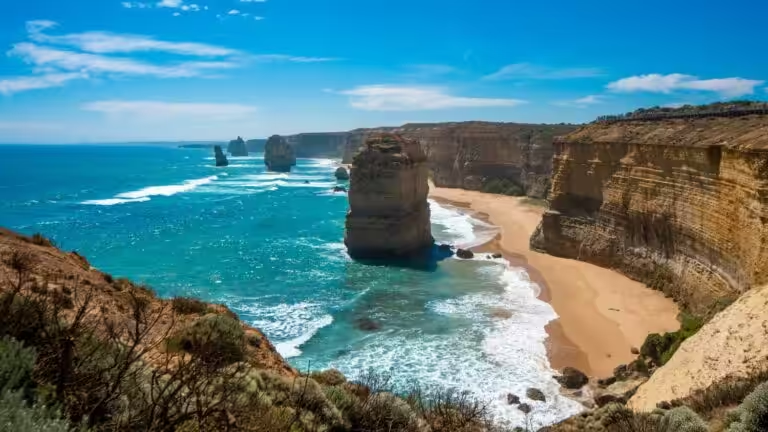
One of Australia’s most iconic coastal landmarks will soon come with an entry fee.
The Victorian Government has confirmed that a booking system and visitor fee will be introduced at the Twelve Apostles when the new Twelve Apostles Visitor Experience Centre opens in late 2026.
While the exact price hasn’t yet been set, Victoria Government’s Great Ocean Road Authority states, “fees will be consistent with other popular nature-based attractions across the country that have had entry fees for some time.”
For travellers who have long pulled over for a quick look at the towering limestone stacks along the Victorian coastline, the idea of paying to see them has sparked debate.
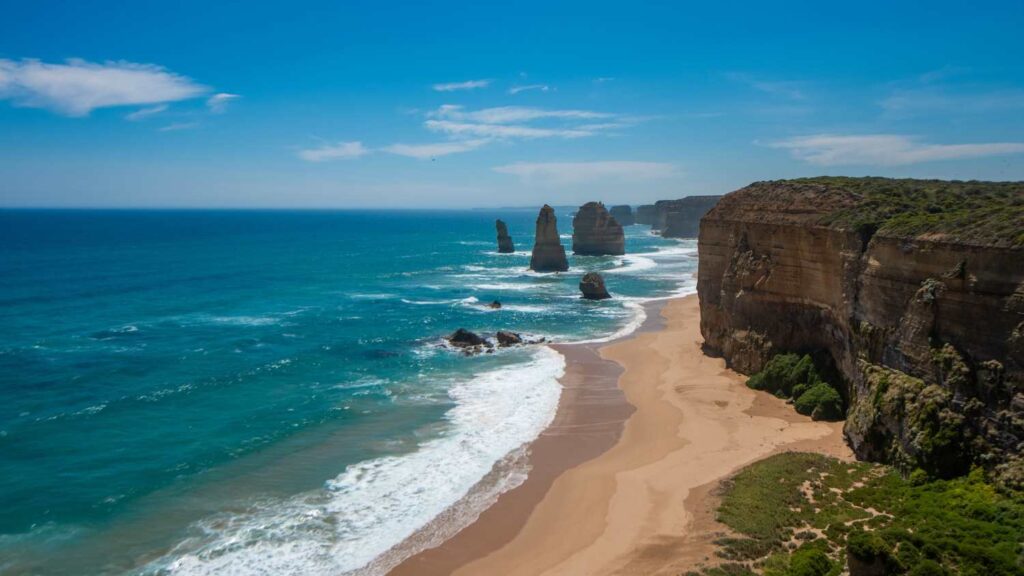
The Victorian Government says the new charge is part of a broader effort to protect the coastline while improving the visitor experience.
The fee will be linked to the new Twelve Apostles Visitor Experience Centre – a large tourism precinct expected to include new parking areas, food and beverage outlets, interpretive displays and visitor facilities.
The project is being delivered by the Great Ocean Road Coast and Parks Authority, which says the revenue generated will be reinvested directly into the region. According to the authority, funds will be used for things like maintaining visitor infrastructure, improving beach access and walkways, environmental conservation projects, repairing historic landmarks along the coast, and upgrades to caravan parks and campgrounds in the region
The new system will also introduce timed bookings, designed to reduce overcrowding and ensure visitors can secure a parking space at a specific time.
The move comes as tourism numbers continue to rise along the Victorian coast. More than six million visitors travel the Great Ocean Road each year, with around two million stopping at the Twelve Apostles alone.
During peak periods, the area can become extremely congested, with cars parked along roadsides and large crowds gathering at the viewing platforms. Authorities say the booking system will help spread visitors throughout the day and reduce pressure on the fragile coastal environment.
Importantly, the proposed fee will apply to access through the new visitor centre and nearby attractions such as Gibson Steps and Loch Ard Gorge will remain free to visit.
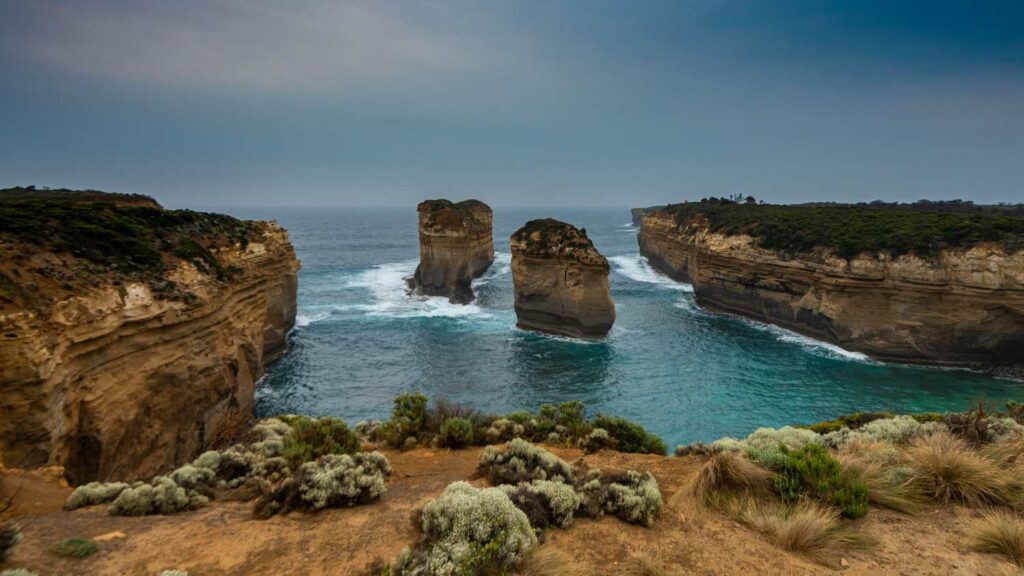
Despite the environmental arguments, the idea of paying to see a natural landmark has already drawn criticism.
Some critics argue the fee effectively turns access to a public landscape into a government revenue stream, while others worry it could discourage visitors or divert spending away from local businesses.
Opposition politicians have also labelled the move a “cash grab”, while some tourism voices say it is simply the reality of managing major attractions that draw millions of people each year. After all, similar visitor fees already apply at well-known destinations such as Uluru-Kata Tjuta National Park and Kakadu National Park.
Whether the fee ultimately proves controversial will depend on how it is implemented. If the system genuinely improves infrastructure, protects the coastline and manages crowds, some travellers will see it as a reasonable trade-off.
But for many Australians (especially those who grew up road-tripping the Great Ocean Road), the idea of paying to look at a natural landmark still feels a little off. After all, the view hasn’t changed. You’re still just standing there, looking out at the ocean.
And while managing crowds makes sense, something about being charged to see it somehow doesn’t quite feel right.
Would you pay to see the Twelve Apostles, or would you just keep driving along the Great Ocean Road?