
Last Updated: 28 January 2026
Caravan solar panels are a tricky subject to get right, even with the latest technology. Most owners are losing significant power by ignoring the “angle of attack” and the silent yield killers.
Maintaining power off-grid is a common challenge for RV owners. Despite having what looks like a robust caravan solar panel setup, many find their charging systems struggle to keep up with battery drain. This often comes down to a few fundamental mistakes made during installation and daily usage.
To understand the solution, you must first recognize that solar power generation is not highly efficient. Even in 2026, modern panels typically convert only about 20 percent of the sun’s energy into electrical power. To achieve even that, panels require perfect conditions with sunlight hitting them at a direct 90° angle.
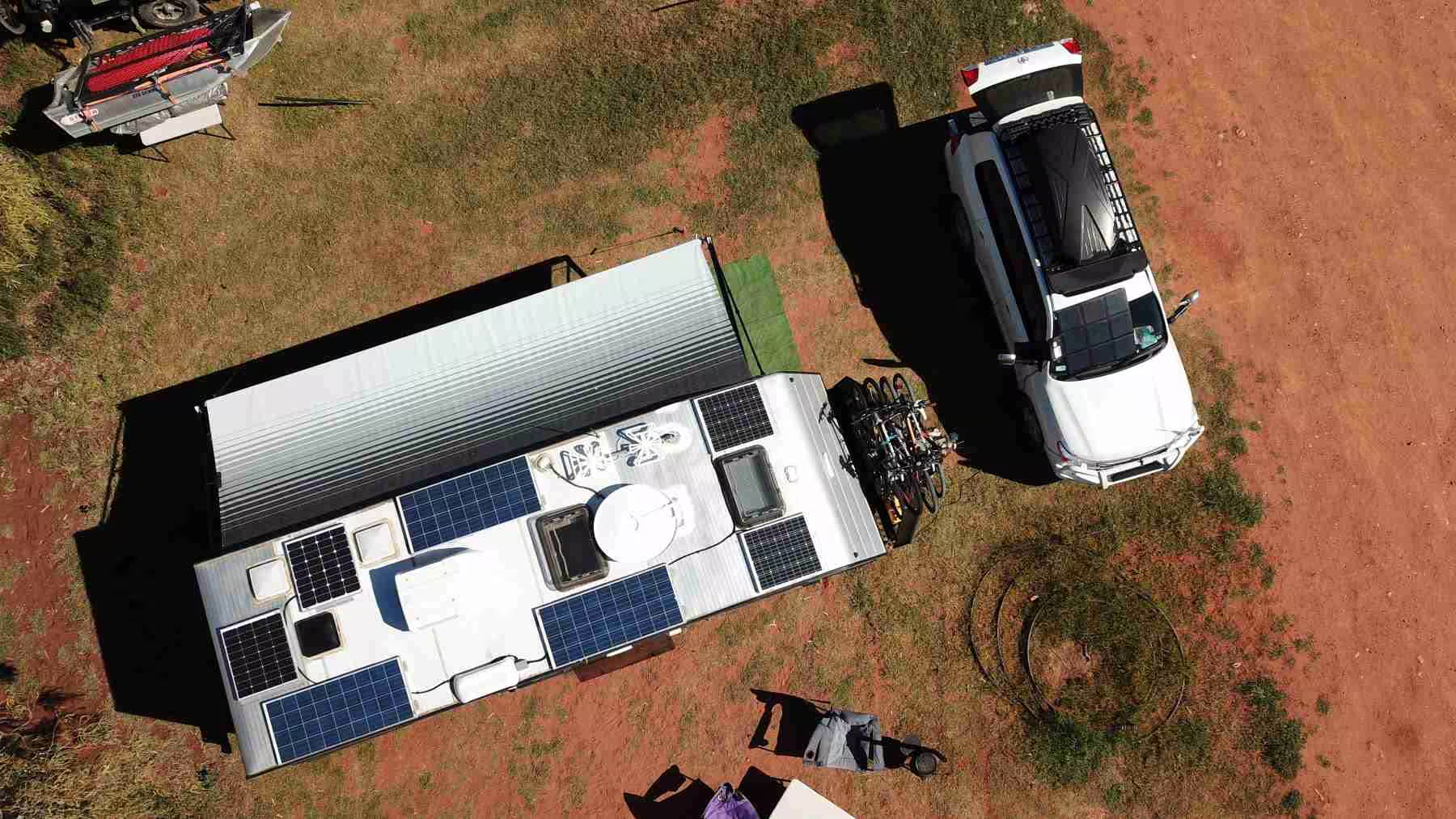
Most modern caravans and motorhomes feature roof-mounted panels for convenience. While this is great for transport, it is less than ideal for production. In Australia, the sun is rarely at a perfect angle to flat roof panels, especially during winter. This misalignment can drop efficiency to as low as 14 per cent.
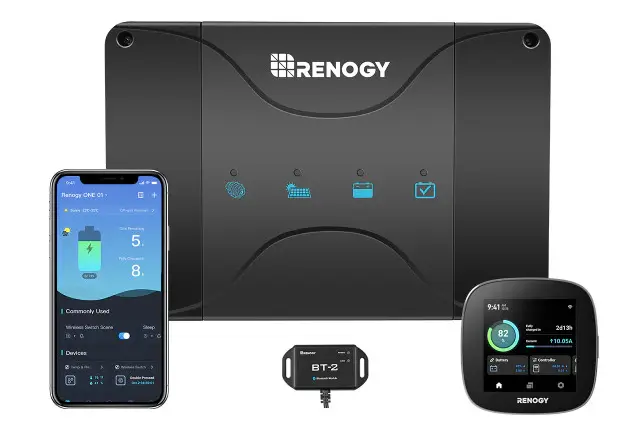
For example, a caravan with 450 watts of roof-mounted panels may theoretically output up to 30 amps in laboratory conditions. However, real-world data from smart systems like the Renogy caravan solar systems often tells a different story. By using the Renogy DC Home App, owners can see precisely how many watts are being produced at any given moment.
In the southern states during winter, a 450W array might only produce 230 watts even in full sunlight. That is roughly half the rated power, resulting in only 15 amps of charge.
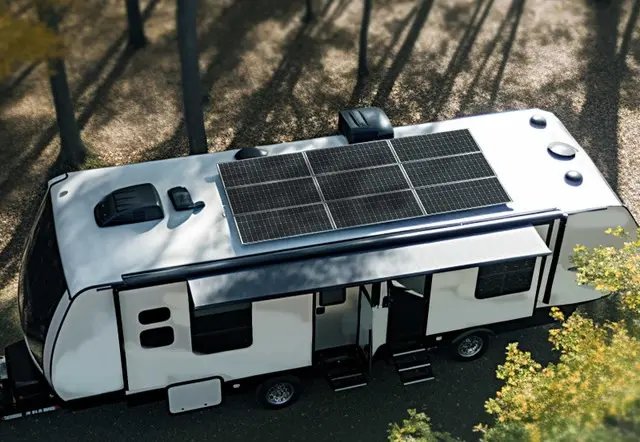
Output drops further when you consider simultaneous power consumption. Accessories such as fridges, TVs, and phone chargers draw current while the caravan solar panels are trying to charge. This can result in a net charge of less than ten amps per hour. If you introduce cloud cover or slight shadows, that figure can plummet to five amps.
Five amps is insufficient for maintaining a standard 200Ah battery bank. During winter, you might only receive four hours of “useful” sun between 11 am and 2 pm. Conservatively, this results in just 20 amp hours of charge for the entire day—often less than what a fridge consumes overnight.
⚠️ CAUTION: Shading is the “silent killer” of solar yield. A small shadow from an air conditioner or antenna can cut a panel’s output by half. When selecting Solar Panels, make sure to consider your use case and environment when choosing.
A simple way to dramatically increase your charging capacity is to include an external Anderson plug wired into your system. This allows you to connect portable caravan solar panels that can be positioned in direct sunlight away from the van.
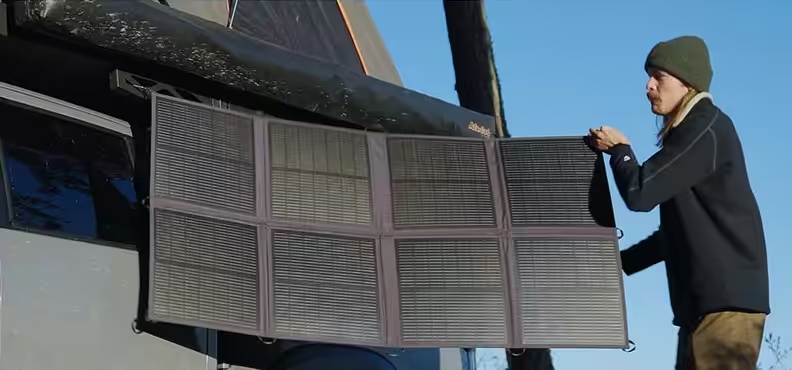
By adding a 100W portable panel in full winter sunlight, an array can jump by an additional 80 watts of actual production. Because these panels can be angled directly at the sun and moved throughout the day, they often produce more power than much larger fixed roof panels.
To manage your power effectively, you need to understand one simple equation:
Watts = Volts x Amps or Amps = Watts / Volts.
A 100W panel divided by 12 volts theoretically gives 8.3 amps. However, an unregulated panel can output up to 22 volts. This is why an MPPT controller is required to step that voltage down to a level your batteries can accept. For practical planning, use 15 volts as a baseline calculation to account for system inefficiencies.
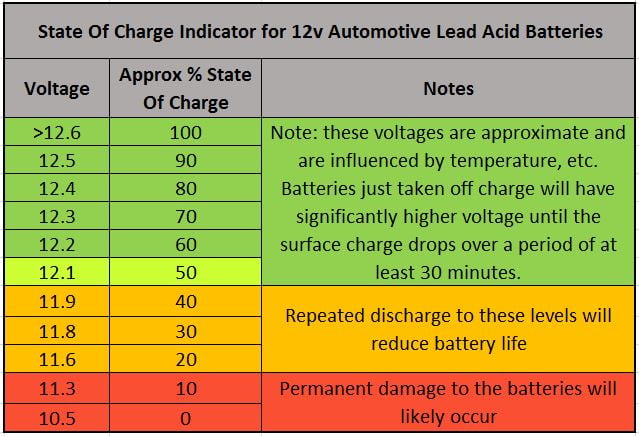
Capacity is heavily influenced by Depth of Discharge (DoD)—the percentage of power taken out before recharging. Standard AGM batteries generally should not exceed a 50% DoD. Discharging them further causes internal damage and shortens their lifespan.
Modern lithium batteries change this dynamic. A 100Ah lithium battery can safely handle an 80% to 100% DoD. This effectively provides double the usable power of an equivalent AGM battery, though staying within the 20-80% window is the “sweet spot” for maximum longevity.
Hot Tip 1: Supplement your roof. Always carry a portable solar blanket or folding panel to chase the sun while the caravan remains in the shade.
Hot Tip 2: Monitor the “Net” result. Use a battery monitor that shows Amps In versus Amps Out so you know exactly how much energy you are gaining or losing in real-time.
Hot Tip 3: Maintenance matters. A layer of dust on your caravan solar panels can reduce production by 20%. Regularly wipe your panels to maintain peak performance.
Efficiency in your solar setup isn’t just about the number of panels; it’s about the angle and management. If your panels are mounted flat and shaded, it could take days to recover your batteries. By understanding the numbers, utilising portable panels, and considering a lithium upgrade, you can ensure your off-grid adventures stay powered.
Where to park your van for shade and solar power
The best solar panels for caravanning and camping